





How to Choose Between Car Polish and Wax
For car owners and car enthusiasts, achieving a flawless, showroom-quality finish is a top priority. However, the world of car detailing can be confusing, with many products making similar promises. The most fundamental decision revolves around car polish vs car wax. These terms serve two different purposes in your car care. Understanding the difference is the first step toward unlocking your vehicle’s true potential.
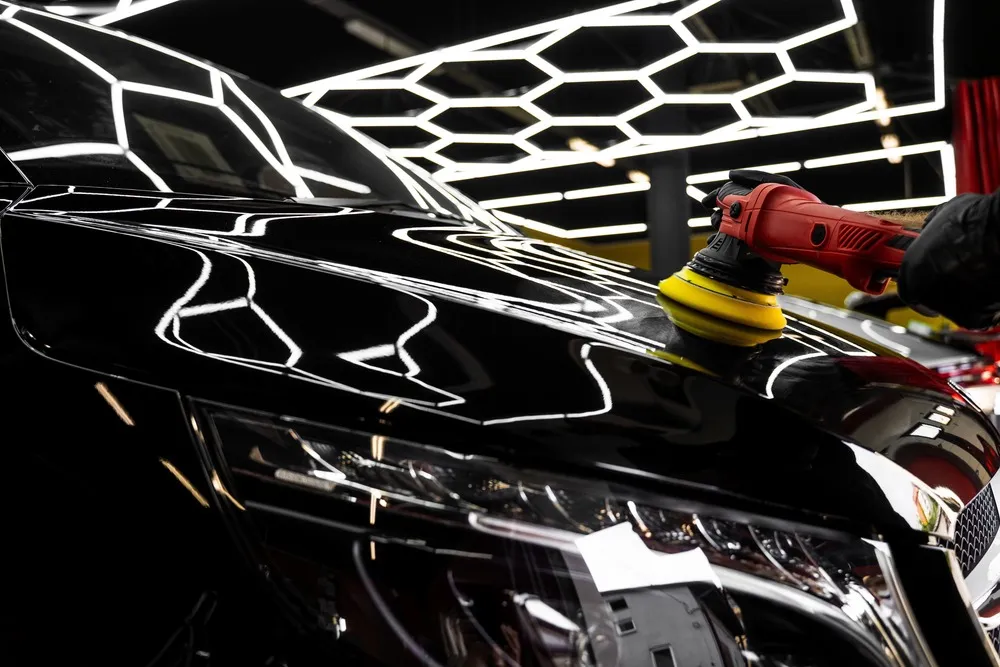
Car polish is a corrective product designed to refine and level the car paint. It works through a process of controlled, microscopic abrasion. Whether it’s a liquid polish, paste wax-like compound, most kinds of car polish contain fine abrasive particles that cut away a minuscule layer of the clear coat. This process removes surface imperfections like light oxidation, swirl marks, hazing from contaminants, and fine scratches.
In essence, car polish works to restore clarity and smoothness by removing a tiny amount of material. Car polish is used to rejuvenate the paint look and prepare the surface of your car for a protective layer. Using a car polish correctly can make your car’s color shine.
Key Differences Between Car Polish and Wax
Unlike polish, car wax is a purely protective product. The main difference between car polish and wax is that wax doesn’t abrade or correct. It shields. Car wax is made from protective ingredients. Traditionally, they are natural carnauba wax derived from palm leaves or more durable synthetic wax polymers suspended in a carrier solution.
When you apply car wax, it bonds to the car paint and creates a transparent barrier. This protective coating repels water and contaminants, adds a deep, warm gloss to the paint look, and helps keep your car looking cleaner for longer. Car wax provides a hydrophobic effect, causing water to bead and roll off, which is a clear sign of a healthy protective layer.
The key differences between car polish and wax define their roles in your maintenance schedule. The process of polishing and waxing are two distinct steps that, when combined, yield the ultimate finish.
- Primary Action: Car polish removes imperfections through abrasion. Car wax offers protection by creating a barrier.
- Visual Impact: Polish unveils the true, unblemished beauty of your car’s paint, while wax enhances that beauty with deep, wet-looking gloss and warmth.
- Protection Level: On its own, polish provides zero protection and actually leaves the surface of the car more vulnerable. Wax is a protective shield that defends against UV rays, acid rain, tree sap, and other environmental hazards.
- Composition: Many type of car polish contains abrasive particles, which can vary in aggressiveness. Non-abrasive car polish is rare and typically acts more as a cleanser. Wax is made of natural or synthetic protectants; carnauba wax is prized for its incredible depth and warmth, while synthetic wax typically offers greater durability.
When to Use Car Polish
You should use car polish when your goal is correction, not protection. Deploy it after discovering a network of fine scratches from automated car washes or when direct sunlight reveals a milky, faded veil over once-vibrant panels, a clear sign of UV breakdown and oxidation. It’s an invaluable step during a spring car detailing overhaul to remove the grime of winter or to prep a vehicle for long-term storage.
If you notice that water doesn’t sheet cleanly off your car during a rinse, it indicates an uneven surface topography that polish can correct. Polishing once or twice a year is normal, as it is typically used sparingly (over-polishing can thin the clear coat).
When to Use Car Wax
Car wax is a protective coating and your go-to product for maintenance and protection. The act of waxing a car should be a regular part of your car care routine. Apply car wax after every major wash seasonally: post-winter thaw to create a barrier against salt residue and before the summer heat to make it easier to clean off bug splatter and sap.
It excels on well-maintained vehicles that just need a periodic enhancement without any risk of thinning the paint. Waxing and polishing your car is a classic combination, where you always wax after you polish. For daily drivers who live outdoors, a quick wax application mid-season maintains hydrophobicity and significantly reduces water spot formation. Wax is easy to apply by hand or machine, making it accessible for all car owners.

Which Is Better for Your Car
Daily drivers enjoy car wax as it helps to avoid unnecessary wear. Heavily trafficked family haulers with door dings demand polish quarterly to combat accumulated grime layers. Others balance both sparingly, prioritizing polish for prep and wax for shielding based on mileage thresholds around 5,000 km annually.
Can You Use Car Polish and Wax Together for Car Care?
Not only can you use them together, but this is how professional car detailing achieves its legendary results. The golden rule for applying car wax and polish is always polish first, then wax to seal.
The process is strategic:
- Start with the polish on a cool, shaded panel to refine the surface of the car.
- After polishing, it’s often recommended to use a clay bar to decontaminate the surface thoroughly.
- Then rinse and dry.
- Only then should you begin applying wax.
Use a soft foam applicator to apply the wax in thin, even sections over the entire car. This powerful duo delivers the best results: the car polish unlocks the true potential of your paint’s depth and clarity, and the wax encapsulates it, protecting the surface for weeks or months. Rushing this process by applying wax over a dirty surface or before applying a car polish will only trap the contaminants.
Polish vs Wax for New vs Used Cars
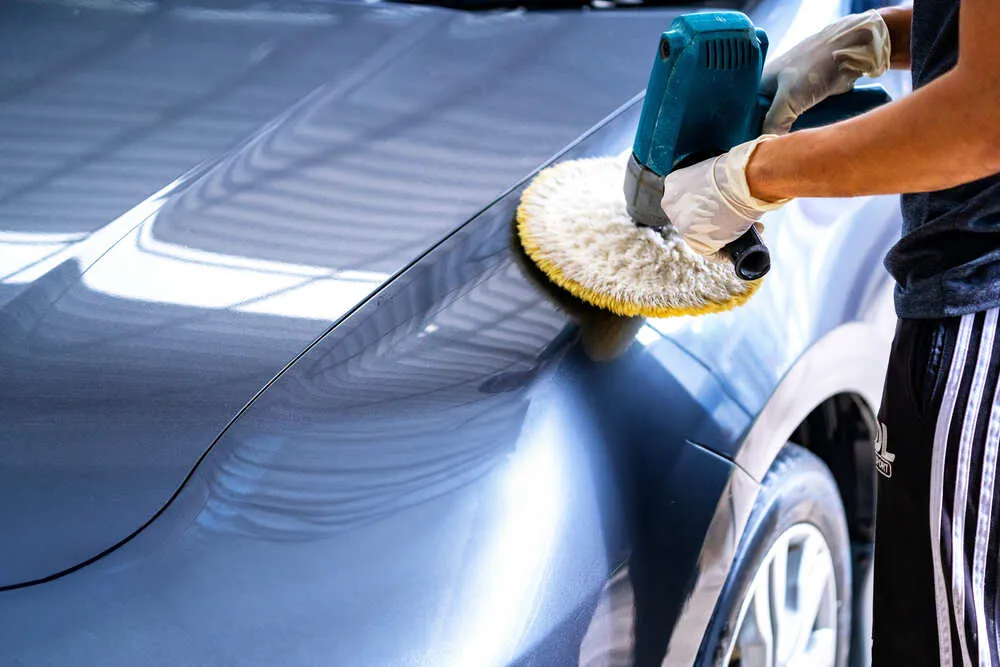
Fresh-off-lot cars skip polish entirely, relying on wax to nurture the delicate 1-2 mil clear coat against pollen haze or airport tarmac fluids. Vintage restorations or high-mileage commuters reverse priorities. In this case, polish reclaims the lost luster from decades of pollen or industrial fallout, followed by wax to halt progression.
Common Mistakes When Choosing Car Polish or Wax
Even experienced enthusiasts can make errors when navigating car polish and car wax.
- Using the Wrong Product: Grabbing a heavy-cut abrasive car polish for a routine touch-up will remove more clear coat than necessary.
- Wrong Order: The most common mistake is confusing the order. You must always use polish before you use car wax, never the other way around.
- Waxing a Dirty Car: Applying a car wax on top of dirt, dust, or grime will simply lock those contaminants onto the surface of your car, leading to scratching and marring.
- Over-application: Using too much product, whether polish or wax, makes removal difficult and can lead to a hazy, streaky finish. Thin, even coats are always best.
- Ignoring Compatibility: Pairing certain synthetic wax sealants over some car polish compounds can sometimes cause hazing or poor bonding.
Quick Comparison Table: Car Polish vs Car Wax
| Aspect | Car Polish | Car Wax |
| Primary Action | Abrades imperfections for smoothness (car polish contains abrasive particles) | Seals and enhances existing condition (car wax is a protective layer) |
| Visual Impact | Dramatic clarity restoration | Subtle depth and warmth amplification |
| Protection | None. Requires follow-up (use polish then wax) | Car wax provides moderate barrier against elements |
| Frequency | 1-4 times yearly (polish your car sparingly) | Wax application routine is every 1-3 months |
| Tools Needed | To apply the polish, one needs pads and special machine (optional) | To apply the wax, one needs an applicator and microfiber towels |
How Often Should You Polish and Wax Your Car
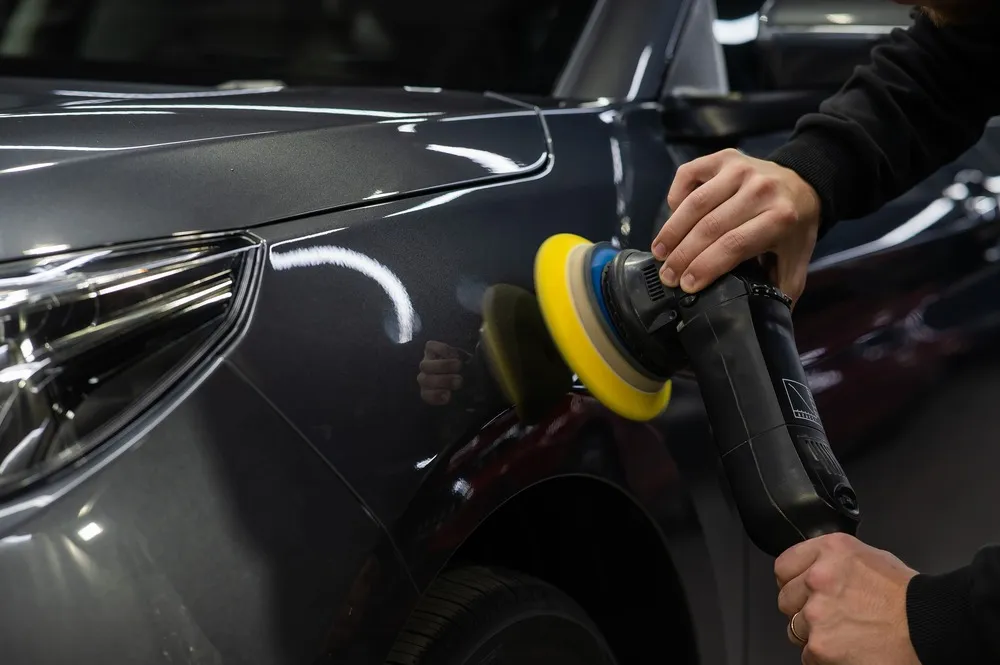
Frequency depends on your car’s exposure and use. Restrict polishing to a biannual or quarterly deep clean. You should only polish your car when you see visible imperfections that need correction. Over-polishing can be detrimental.
Waxing, however, is a maintenance activity. A good car wax can last anywhere from 1 to 3 months, depending on the product and environmental conditions. Wax application should be performed bi-monthly in harsh, rainy climates or monthly under relentless sun.
The best way to understand when it’s time for a new coat is to observe the beading effect during a wash. When water stops beading aggressively and starts sheeting, it’s time to wax and polish (if needed) your car again. This disciplined approach ensures your clear coat remains protected without progressive thinning.
FAQ
Can a spray-on car polish replace a traditional polish and wax routine?
Is ceramic car polish better than traditional wax and polish?
How do I know if my car needs full polish works or just waxing?
Is it necessary to clay my car before waxing it?
Can I apply car wax and car polish in direct sunlight?