





Ceramic Coating Guide: Benefits, Risks, and Price
A car ceramic coating is a liquid ceramic material made from nano-polymers that form a strong bond with a car’s paint or vehicle’s paint. Once it cures, this layer of ceramic creates a durable, transparent barrier that protects the finish from UV rays, road chemicals, and contaminants. Unlike wax or paint sealant, this type of coating chemically bonds to the clear coat, offering long-lasting paint protection and a deep gloss.
How Ceramic Coating Works on a Car
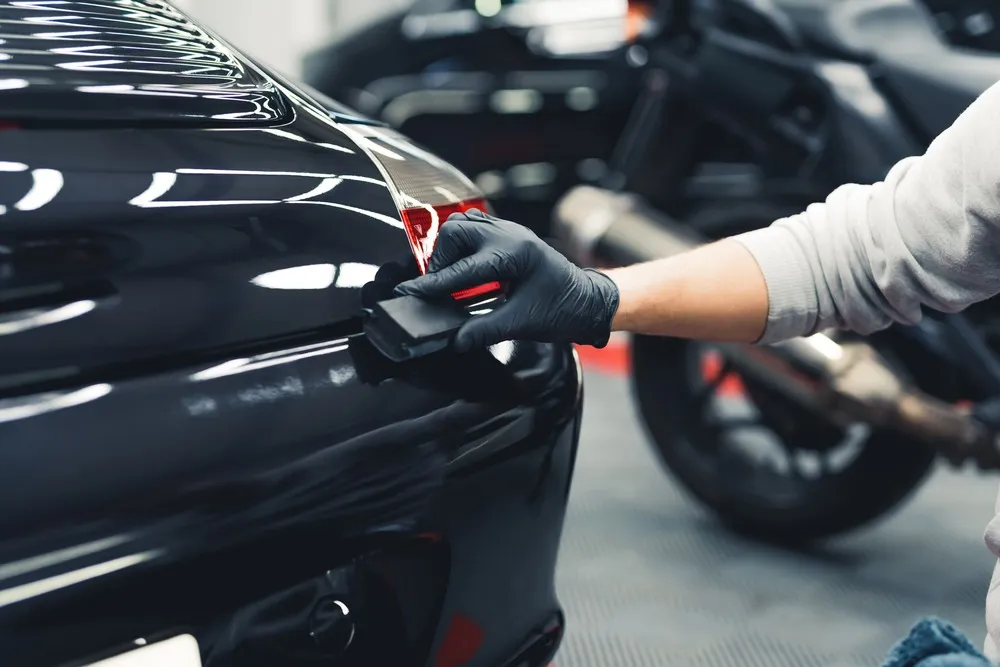
A ceramic coating product typically contains silicon dioxide (SiO₂) or titanium dioxide (TiO₂). These elements harden into a glass-like surface once applied and cured. This coating offers a hydrophobic effect, meaning water and dirt bead up and roll off rather than sticking to the surface, making your car easier to clean after every car wash.
Ceramic coatings are applied either by hand or using specialized applicators. When you apply a ceramic coating, the liquid ceramic coat reacts chemically with the car’s paint job, forming a semi-permanent bond. Once the coating cures, it becomes a layer that shields the paint from external paint damage, oxidation, and fading.
This process differs from traditional waxes or paint sealants that simply sit on top of the surface. A ceramic car coating forms a molecular bond that gives it superior longevity. Many ceramic coatings used in paint protection services also resist light scratches, acid rain, and UV exposure. It means that they have the benefits that wax or sealant coatings provide only for a few months.
Types of Ceramic Coatings for Cars
There are different types of ceramic coating available depending on the user’s needs and type of polymer used:
- Consumer-grade (DIY ceramic coating): Ideal for enthusiasts who want to apply ceramic coating at home. These coatings usually last up to a year and help maintain clean cars with minimal effort.
- Professional ceramic coating: Installed by certified detailers. These industry-grade coatings may include brands like Ceramic Pro and can protect your car paint for a perios from 2 to 7 years.
- Single-layer coatings: A simpler option where a single layer of ceramic provides solid paint protection and gloss.
- Multi-layer systems: These different ceramic layers increase coating thickness and durability for brand-new cars or premium paint protection services.
- Ceramic sprays and glass coatings: Quick-to-apply alternatives that offer temporary paint protection and hydrophobic effects.
Benefits of Ceramic Coating for Your Car
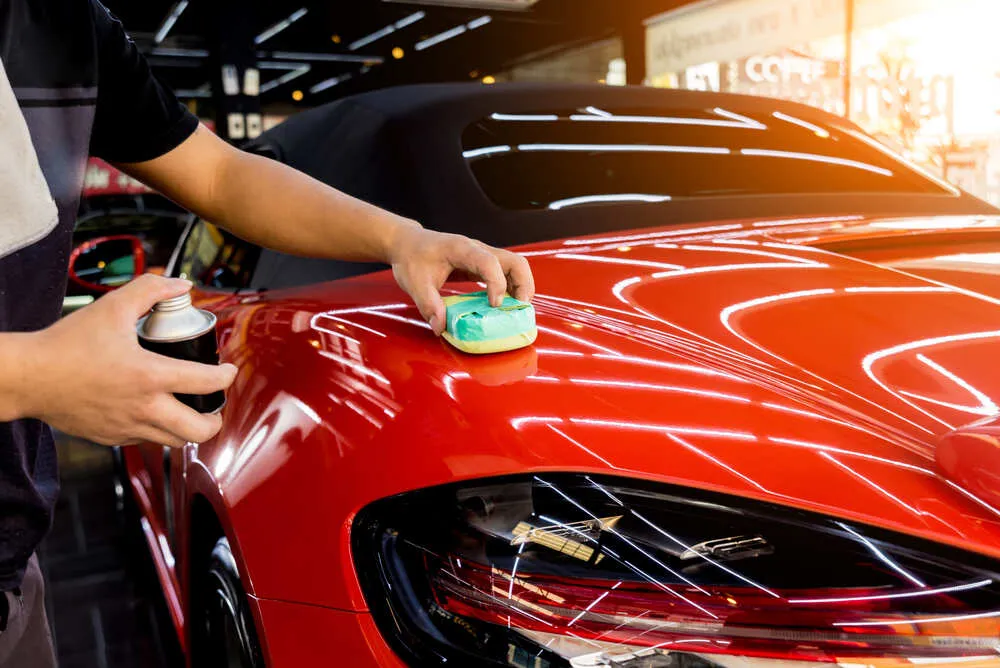
The benefits of ceramic coating go beyond simple shine. Here’s what this type of coating adds to the value to your car:
- Long-term paint protection: The ceramic coating creates a hard barrier that protects against UV, dirt, and acidic contaminants.
- Easier to clean surface: The hydrophobic nature means you can wash your car with minimal scrubbing, and water won’t stick.
- Enhanced gloss: The ceramic coating offers a deep, mirror-like reflection that amplifies the car paint finish.
- Protection from minor scratches: While it won’t stop stone chips, it can resist light scratches and reduce the risk of paint damage.
- Reduced need for waxing: Once you use ceramic coating, waxes or sealants become unnecessary for years.
These advantages of ceramic coatings make them one of the best ceramic solutions for preserving your vehicle’s paint.
Drawbacks of Ceramic Coating
Every coating application has its trade-offs, and ceramic coating a car is no exception:
- High cost of ceramic coating: The cost of ceramic depends on vehicle size, surface prep, and installer expertise. In Dubai, a professional ceramic coating for a full car typically costs about AED 1,000–2,500 for basic 1–2 layer packages, while higher-end or multi-layer systems for larger or luxury vehicles often reach AED 3,000–4,000+. by way of comparison, a full exterior polish and wax service usually ranges around AED 250–650, making wax several times cheaper upfront but far less durable than ceramic.
- Requires proper aftercare: To maintain the quality of ceramic coating, you should avoid harsh chemicals, brush-style automatic car washes, and long neglect between washes, or the hydrophobic effect and gloss will degrade faster than expected.
- Cannot prevent deep scratches or chips: Even an industry-grade ceramic coating cannot stop gravel hits, deep scratches, or parking lot impacts, so serious paint damage still requires traditional repair or paint protection film rather than relying on the coating alone.
- Professional application recommended: Because ceramic coatings are applied by hand and must level and cure evenly, incorrect DIY techniques can leave high spots, streaks, or even etching that may damage the paint and require machine polishing to fix.
Although these coatings require investment and care, most car owners find that the long-term benefits of ceramic justify the cost of ceramic coating.
Should I Apply a Ceramic Coating? Is it Worth It?
Choosing to apply ceramic coating to your car makes sense if you want your vehicle to protect itself from harsh climates, UV rays, or heavy pollution. It’s especially practical for brand-new cars or well-maintained vehicles exposed to desert heat or frequent car washes.
Some myths about ceramic coating portray it as indestructible. In reality, while a nano-ceramic coating improves durability and makes the coated car easier to maintain, it can’t eliminate the need for care. For car owners seeking convenience and appearance enhancement, a ceramic coating typically delivers excellent value to your car.

Ceramic Material vs Wax and Paint Sealants
Ceramic coating, wax, and paint sealant all protect a car’s paint, but they differ significantly in durability, cost, and how often you need to maintain them.
| Feature | Ceramic Coating (including nano-ceramic and professional ceramic coating) | Wax | Paint Sealant |
|---|---|---|---|
| Durability | 2–7 years, depending on type of coating and quality of ceramic coating. | 1–2 months | 6–12 months |
| Application | Applied by hand or professionally as a ceramic coating application; coatings are applied in 1–3 layers. | Simple DIY application | Simple DIY application |
| Protection level | High. Coatings provide strong paint protection, UV, chemical, and heat resistance, and shield the paint from many contaminants. | Low | Moderate |
| Maintenance | Surface stays easier to clean with less effort thanks to the hydrophobic layer of ceramic. | Needs frequent reapplication | Seasonal reapplication |
| Finish | Glossy “wet look” finish from ceramic paint that adds value to your car. | Warm, natural shine | Bright synthetic gloss |
| Cost | Higher cost of ceramic coating upfront, but long-term savings because ceramic coatings provide multi-year protection. | Low | Moderate |
This comparison shows that ceramic coating is the most durable and protective option, while wax remains the cheapest but needs the most frequent upkeep.
What Affects the Cost of Ceramic Coating
The cost of ceramic coating varies based on several factors:
- Size and type of vehicle: SUVs and larger cars require more ceramic coating product and labor.
- Condition of the paint job: Pre-application paint correction removes swirls and defects that could affect adhesion.
- Number of layers: Multiple coatings applied add durability but increase cost.
- Brand and quality of coating: Premium brands like Ceramic Pro ensure longer warranty coverage.
- Studio expertise: Professional details and certified ceramic coating application often cost more.
- Region: The cost of ceramic coating in major markets like Dubai can be higher due to climate and service quality.
How Long Does Ceramic Coating Last on the Car Paint?
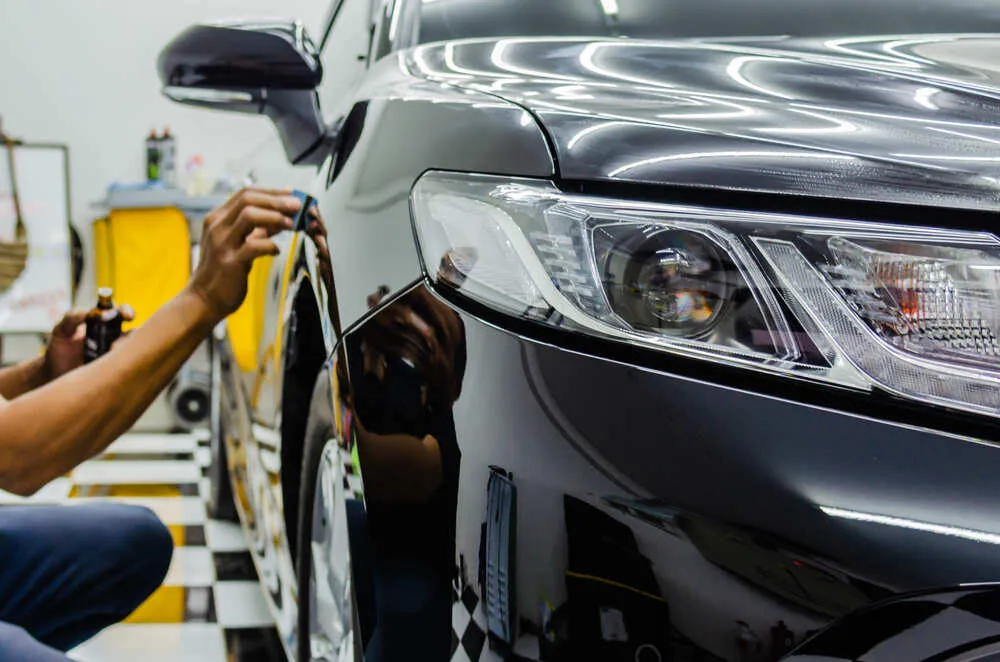
The durability of a ceramic-coated car depends on how the coating is applied, the type of coating, and your maintenance routine. A professional ceramic coating can last between 2–7 years, while DIY ceramic coating may protect for 6–18 months.
To maximize longevity:
- Avoid washing the car for at least a week after application so the coating cures fully.
- Use pH-neutral shampoos when you wash your car.
- Complement the coating with a paint protection film on high-impact areas like bumpers and hoods.
Over time, properly maintained ceramic coatings provide lasting gloss, paint protection, and resistance to external paint damage, helping you maintain a pristine car paint job that looks new for years.
FAQ
Can I apply ceramic protection to an older car with faded paint?
Will ceramic car coating change the color of my car?
Can I coat only some parts of the car for paint protection?
Does protection help with water spots from sprinklers?
How do I know when the protection is wearing off?