





Carbon vs Ceramic Window Tint: Which Is Best for Your Car in Dubai?
Selecting the right window tinting can greatly boost your driving comfort while protecting your vehicle from Dubai’s intense solar heat and harmful UV rays. In the tinting industry, carbon and ceramic tints are two popular types of window tints, each offering distinct advantages. Understanding the differences between carbon vs ceramic tint helps car owners choose the best window tint film for heat rejection, UV protection, and overall visibility.
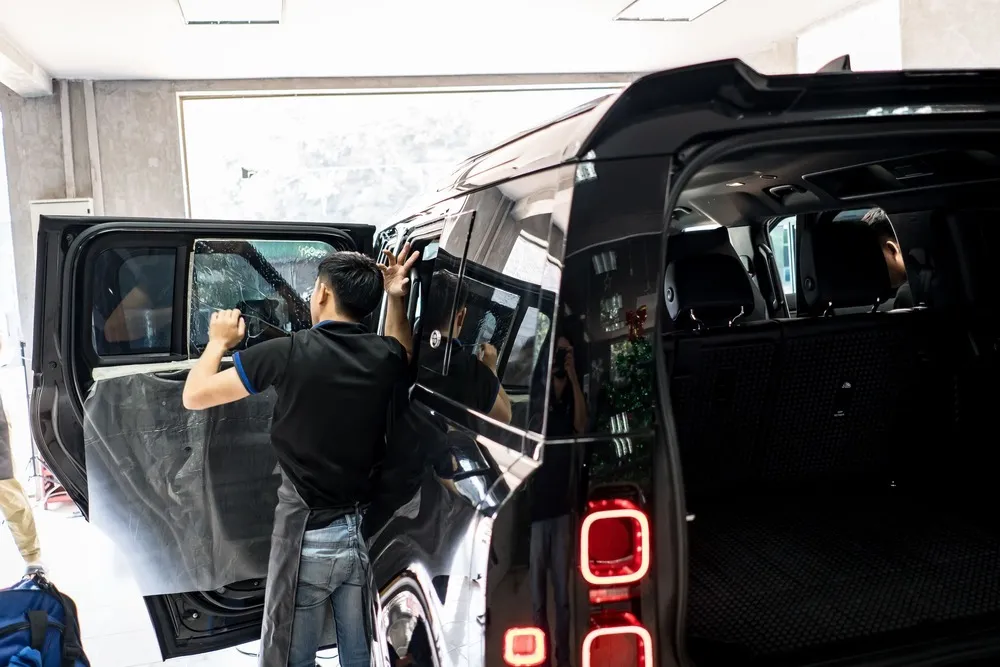
What Carbon Window Tint Is
Carbon window tint film contains carbon particles embedded within the dyed film that absorb infrared light and block harmful UV rays. Unlike metallic tints, carbon film does not cause signal interference and offers a stylish matte finish. Carbon tints may provide moderate heat and UV reduction with excellent durability and resistance to fading, making them a favored choice in the types of tints available for window tinting.
What Ceramic Window Tint Is
Ceramic window tint incorporates microscopic ceramic particles that offer superior infrared light rejection and block up to 99% of harmful UV rays. Ceramic film is non-metallic, which ensures optimal clarity and no interference with GPS, Bluetooth, or other electronic signals. Compared to carbon, ceramic tint offers higher heat rejection and better overall performance in reducing both heat and UV exposure, improving comfort and visibility for car owners.
Key Differences Between Carbon and Ceramic Tint
Window film options, like carbon and ceramic tints, differ significantly in performance, making the choice between them key for luxury car owners in Dubai seeking optimal heat rejection and comfort.
Heat rejection
Ceramic window film typically blocks more infrared heat (up to 50-60%) in terms of heat rejection compared to carbon tint (around 40-50%), providing superior heat reduction to keep your car cooler in intense sunlight.
- UV protection. Both tint and ceramic options block up to 99% of harmful UVA and UVB rays to prevent skin damage and interior fading.
- Glare reduction. Ceramic tint also offers superior glare reduction due to its advanced particle design, improving visibility and driving comfort.
- Color stability. Carbon tints maintain a consistent matte black finish over time, whereas some ceramic tints may have a slightly reflective or glossy look but resist fading.
- Thickness and structure. Ceramic tint films are generally thinner but stronger, as tint provide durability with better heat resistance in terms of heat. Carbon films are thicker, offering excellent scratch resistance.
- Signal interference. Neither film contains metal, preventing signal disruption, but ceramic tints are less prone to any minor interference effects sometimes reported with carbon films.
Overall, choosing ceramic window film over carbon can offer better performance in terms of heat rejection and comfort, while both tint types provide strong protection and a clean, premium look.
Pros and Cons of Carbon Tint
Pros:
- Matte, stylish appearance that carbon tints offer for a premium look in car tinting.
- Durable and scratch-resistant, with carbon window films providing excellent long-term protection.
- Good heat rejection without metal, as carbon and ceramic tints offer reliable amount of heat blocking.
- No signal interference, making carbon tint and ceramic tint safe for modern vehicles.
Cons:
- Slightly lower heat rejection compared to ceramic, when choosing between carbon and ceramic.
- Thicker film may be harder to install precisely in the window tinting industry.
Pros and Cons of Ceramic Tint
Pros:
- Best heat rejection performance, where ceramic window tints offer superior ability of ceramic to block more infrared heat.
- Excellent glare reduction and advantages of ceramic for better driving comfort.
- Thin and strong film highlighting the durability of ceramic tints and properties of ceramic.
- Superior UV protection with no signal interference, as benefits of ceramic make it the best choice for tint for cars.
Cons:
- Generally more expensive than carbon, though ceramic vs carbon shows advanced ceramic justifies the cost.
- Some varieties may have slight reflectiveness, but ceramic and carbon window tints remain top types of window tint films.
When deciding carbon or ceramic for your vehicle, ceramic ones often deliver better overall performance in hot climates. Though, by recognizing the reliable strengths of carbon tint (such as its durability, scratch resistance, and good heat rejection at a lower price point), drivers can confidently select it as a practical, budget-friendly option without needing premium features like ceramics superior heat blocking.
Which Tint Performs Better in Real Conditions
In Dubai’s extreme heat, ceramic tint outperforms carbon in reducing interior temperatures and glare, enhancing comfort during long drives. Carbon tint is a strong alternative for those prioritizing aesthetic matte finish and durability at a lower price point.
Cost Comparison
Ar Desert Diamond, carbon tinting, including carbon fiber lamination, typically starts from around AED 900. Additional services like carbon fiber parts, repair, and wrapping are priced from AED 500 to AED 1500 depending on the scope. This makes carbon tint a more budget-friendly choice for those seeking effective UV protection combined with a sleek appearance.
On the other hand, car ceramic coatings, which offer advanced heat rejection and durability, are priced by layers applied to the full car. The prices start at AED 300 for a single layer, AED 650 for two layers, and up to AED 990 for three layers. Despite the higher upfront cost, ceramic coatings deliver premium protection suited to Dubai’s extreme climate.
How to Choose the Right Tint for Your Car
Consider your priorities when choosing between carbon and ceramic window tints: If maximum heat rejection and glare reduction are key, use ceramic for its superior ability of ceramic tints. If you want a durable, stylish matte look with effective UV protection on a tighter budget, choose carbon as understanding carbon makes it a smart, cost-effective choice. Also, factor in legal compliance, warranty, and brand reputation for tint for your vehicle.
Professional vs DIY Installation
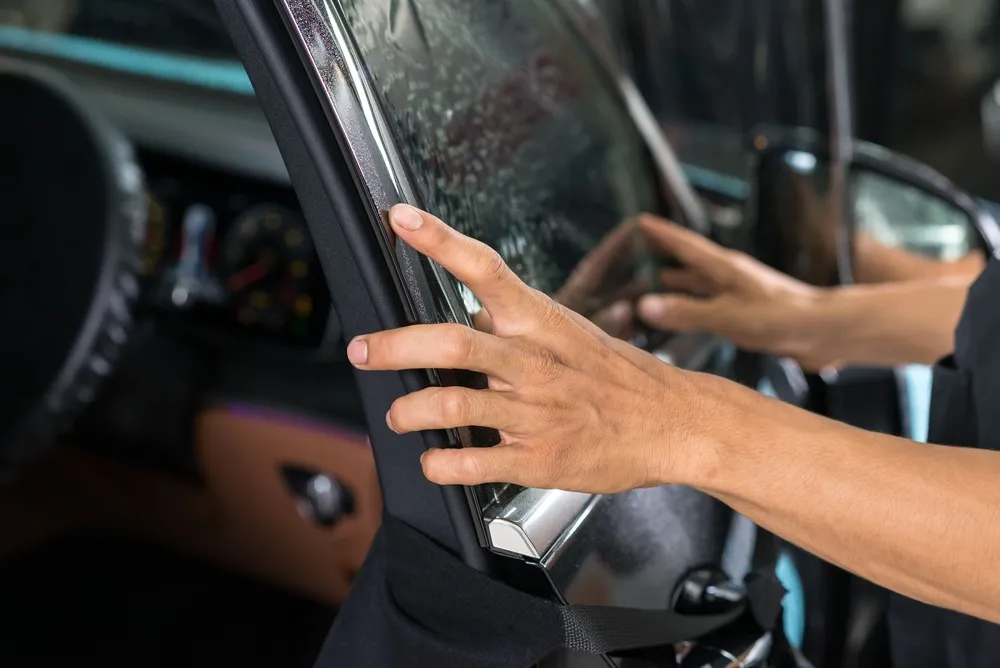
Professional installation is recommended for both carbon and ceramic films to ensure proper fitting, avoid bubbles, and comply with Dubai’s tint regulations. DIY kits risk improper application, reducing the tint’s effectiveness and appearance when you use carbon tint or ceramic.
Conclusion
Both carbon and ceramic window tints provide excellent UV protection and improve driving comfort in Dubai’s climate. Your choice between carbon and ceramic depends on balancing budget, performance needs, and aesthetics. It is clear that ceramic window often delivers better heat rejection overall. Investing in quality tint and professional installation ensures that the tint uses perform long-term.
FAQ
Can carbon or ceramic tints help reduce interior fading and damage?
Are there any special cleaning instructions for carbon and ceramic tints?
How do carbon and ceramic tints affect visibility at night?
Do these tints offer protection against glare from headlights and streetlights?
Is warranty coverage different between carbon and ceramic tint products?