





The Difference Between Car Wrap and Car Paint
Choosing a car wrap or paint can completely change how your car looks and feels. Many car owners often compare these two options because both can refresh and protect the exterior while making the car eye-catching in different ways.
Whether you decide to wrap or paint your car, the right choice depends on your goals, budget, and preferred coating method. Each method can make your car stand out, supporting different levels of customization and paint protection for the entire vehicle.
If you want professional guidance or high-quality results, Desert Diamond provides reliable car wrap and paint services, helping you choose the best option for your car with competitive costs and expert care.
What Is a Car Vinyl Wrap
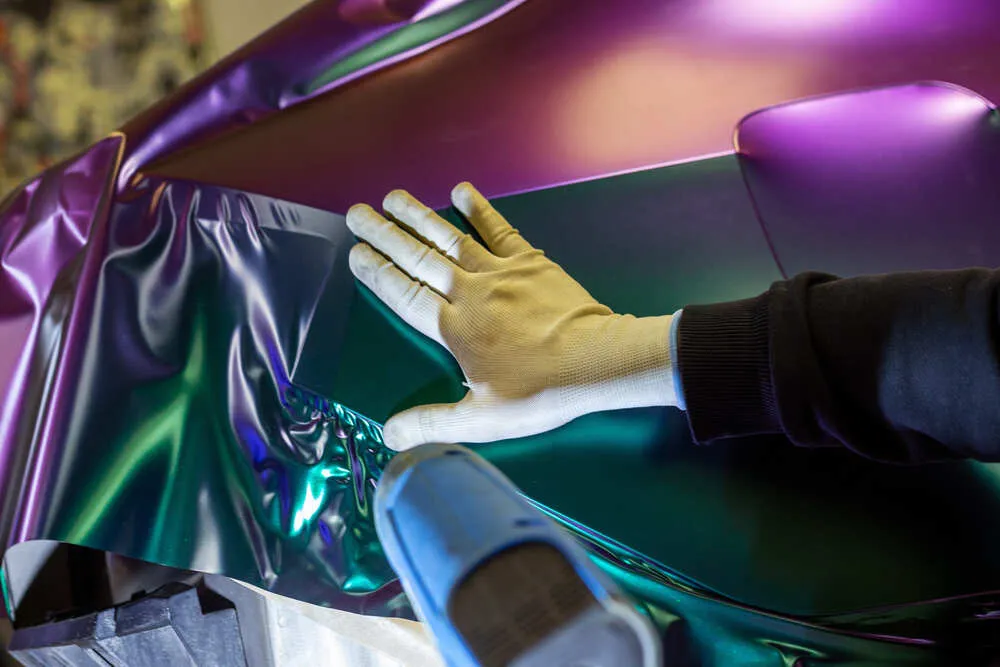
A car wrap is a vinyl film applied directly over your car’s original paint to change its appearance without permanently altering the surface. A vinyl car wrap can cover the full car or only specific parts such as the hood, roof, mirrors, or doors. It comes in multiple colors and finishes, such as matte, gloss, satin, metallic, chrome, and even textured options like carbon fiber, making them one of the most cost-effective and versatile alternatives to a professional paint job. Car wrapping offers extensive options for personalize your vehicle. It’s a popular choice for car enthusiasts who want a custom car with complex designs.
The installation process typically includes:
- Thoroughly washing the car to remove dirt and surface contaminants
- Eliminating dust, grease, and small imperfections for a smooth finish
- Carefully aligning and applying the vinyl to each panel
- Heating and stretching the vinyl wrap so it follows the car’s curves and edges
- Trimming excess material and securing the final edges
One of the biggest benefits of wrapping your car is that it’s reversible: if you decide to switch colors or return the car to its original look, you can remove the wrap without damaging the underlying paint when installed correctly.
What Is Car Paint Job
This is a permanent coating applied to a car’s body to improve its appearance, protect it from the elements, and maintain or increase resale value. It provides less flexibility than wraps for frequent changes, but special effects like metallic flakes, pearlescent coatings, matte or gloss finishes, and custom color mixes are available for unique and professional looks.
There are two main types of car painting: factory, applied during the manufacturing process, and repainting, done later for color updates, repairs, or restoration. Both serve important purposes depending on the car’s age, condition, and the owner’s goals.
The painting process involves several key steps to ensure a smooth, durable, and professional finish:
- Vehicle’s Surface Preparation: The car’s body is cleaned, sanded, and primed to remove minor scratches and imperfections, ensuring proper adhesion of the paint.
- Base Coat Application: The chosen color is sprayed evenly over the prepared surface. Multiple layers may be applied to achieve depth and richness.
- Clear Coat Application: A transparent protective layer is added to enhance shine, protect against UV rays, and increase resistance to scratches and chemicals.
- Curing and Polishing: The paint is allowed to dry and harden, and then waxing and polishing may follow for a flawless finish.
Compared to other options, traditional paint delivers results that last for several years if maintained properly, keeping your car in top condition. Our car painting service is designed to deliver precise color matching, durable results, and a flawless finish that maintains your vehicle’s appearance over time.
While paint is less adaptable for temporary designs or complex graphics, it can achieve an exceptionally polished and refined look that is difficult to replicate with wraps.
Protection Level and Durability: Wrap or Paint Your Car
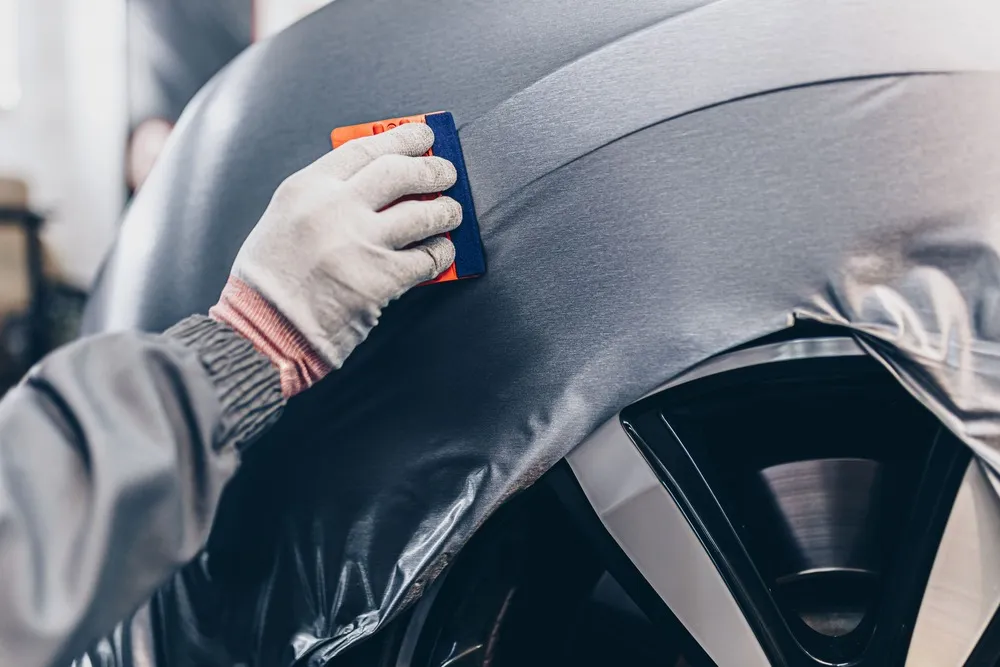
Both can preserve your car’s condition, but in different ways and with different levels of flexibility.
Car Wraps
A vehicle wrap adds a thin but durable vinyl layer over the vehicle’s existing paint, which provides surface protection against minor scratches, stone chips, UV rays, and everyday wear. While it does not prevent all damage, it acts as a sacrificial barrier that can help maintain the paint beneath in excellent condition. High-quality vinyl wraps are designed to withstand sun exposure and varying weather conditions for several years, but their durability depends on factors like maintenance, washing techniques, and environmental conditions. Another benefit is that any minor damage to the wrap can often be repaired or replaced without affecting the car’s original paint. It’s ideal if you want a balance between custom design, aesthetic flexibility and protection.
Car Paint
Paint offers a permanent protective layer that shields the car from corrosion, environmental elements, and general wear over time. Modern automotive paints include clear coats and specialized formulations that resist UV damage, fading, and minor abrasions. Unlike wraps, paint is integrated with the car’s body, making it highly durable and long-lasting when well-maintained. While paint can be more resistant to certain types of wear, repairs to scratches, dents, or damage require professional intervention, which can be more costly than replacing a wrap panel.
Both options require proper care: regular cleaning, avoiding harsh chemicals, and proper maintenance can significantly extend their lifespan and effectiveness.
Cost Comparison – Key Factors That Influence Price
When comparing the price for a full wrap and a complete repaint, several core elements directly affect the initial cost. Understanding these factors helps determine which option aligns with your budget and project goals.
- Vehicle Size and Body Shape: Larger curves, sharp edges, wide panels, and intricate body lines increase the difficulty and cost of both wrapping and painting.
- Material Quality and Finish Type: Premium vinyl films, specialty textures, and multi-layer finishes raise wrap prices. For a new paint job, the cost grows with the quality of primers, base coats, clear coats, and special effect pigments.
- Surface Preparation Work: Both services depend heavily on prep. Fixing dents, scratches, corrosion, faded paint, or old coatings adds additional steps. High-quality prep is essential for a smooth finish and significantly impacts labor time and cost of car modifications.
- Coverage Level (Full or Partial): A full repaint or wrap is more expensive than partial work. Door jambs, interior edges, bumpers, mirrors, and detailed accents increase the scope of the job and therefore the final price.
- Design Complexity: Custom graphics, multi-color layouts, patterns, gradients, or layered effects increase wrap costs. For paint, color-matching, multi-stage blends, and complex visual effects require additional coats, specialized tools, and expertise.
- Labor Expertise and Shop Reputation: Experienced installers and certified painters typically charge more due to their skill level, warranties, and quality control. Location and shop demand also influence the price.
- Additional Services Requested: For wraps, this may include removing old vinyl, adding ceramic coating over the film, or applying edge-sealing. For paint, expenses rise with polishing, protective coatings, PPF (clear-bra) installation, or extended refinishing work.
How These Costs Affect Resale Value
While wraps and paint differ in flexibility and permanence, both influence the car’s long-term value. A professionally installed wrap protects the car’s paint, preserving the original finish and helping save resale value. High-quality paintwork can improve appearance but may not always increase resale price, especially if it replaces the factory color or finish. Buyers often prefer cars with well-preserved original paint, so understanding the financial impact of each option is important when planning for future sale or trade-in.
Installation Time
Before making a decision, the time required for installation is a key factor to consider. Vinyl wraps are generally quicker to apply than a full repaint. The duration depends on the car’s size and complexity, as well as whether it’s a full or partial wrap. Partial wraps can take only a few hours, while full wraps with detailed graphics or special finishes may require several days.
In contrast, painting a car is a more time-consuming process due to the multiple stages involved. Even partial resprays demand precise color matching and adequate drying periods to achieve a seamless finish. Full repaints can take several days to a couple of weeks to complete.
Maintenance and Care Requirements
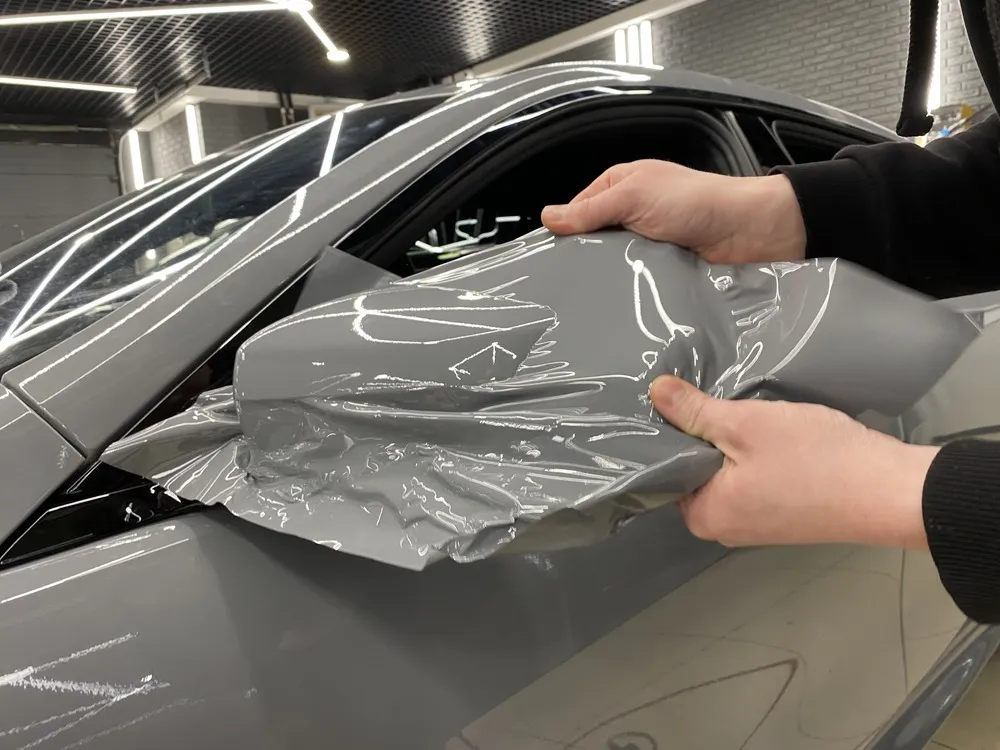
Maintaining your car’s look and protection requires different approaches․ Each option has specific care needs to preserve durability, prevent damage, and keep the vehicle looking its top.
Car Wraps
- Wash with gentle, non-abrasive cleaners and soft cloths or sponges.
- Use caution with high-pressure washing.
- Avoid harsh chemicals and abrasive pads.
- Regularly inspect for lifting edges or minor tears for timely repair.
Car Paint
- Wash routinely with car-friendly soap; avoid aggressive chemicals.
- Apply periodic waxing or protective coatings to enhance durability.
- Professional touch-ups are needed for scratches, chips, or paint damage.
- Protects against in UAE’s extreme weather, scratches, and environmental contaminants.
Environmental Impact
Compared to painting, vinyl wraps provide generally a smaller environmental footprint because their installation uses fewer harsh chemicals and releases minimal volatile organic compounds (VOCs). Waste is mostly limited to leftover vinyl, which can often be recycled depending on the material.
Traditional car painting involves multiple layers of primers, base coats, and clear coats, many containing solvents and VOCs, producing chemical waste, fumes, and overspray that must be carefully managed. While eco-friendly paints and water-based options exist, they can increase costs.
So, wraps are typically the more environmentally friendly choice, while paint offers long-term durability but with a higher environmental impact.
Which Option Is Better for You։ Choose a Car Wrap vs Paint
If you value flexibility, frequent design changes, and a reversible option, a wrap is an excellent choice. It allows you to experiment with colors, textures, and patterns while also providing surface protection.
If your goal is long-term durability, a flawless and permanent finish, and potentially higher prestige or resale perception, traditional paint is likely the better option. Although it requires more time and investment upfront, high quality paint can last for many years when maintained properly.
Other factors to consider include the car’s age and condition, how long you plan to keep it, your tolerance for maintenance, potential cost savings, and environmental considerations. Balancing these elements will help you choose the solution that best aligns with your needs and lifestyle.
Final Comparison: Key Features & Customization Options
| Factor | Car Wrap | Car Paint |
|---|---|---|
| Cost Factors | Premium vinyl, coverage, design complexity, labor | Type, surface prep, base & clear coats, labor |
| Protection | Shields against minor scratches, stone chips, UV rays | Long-term protection against corrosion and environmental wear |
| Durability | 3–5 years (depending on quality & care) | 5–10+ years with proper maintenance |
| Design Flexibility | High – easy to change or remove | Low – permanent finish, hard to modify |
| Installation Time | Hours to a few days (full or partial wrap) | Several days to 1–2 weeks (full repaint) |
| Maintenance | Gentle washing, monitor edges, avoid harsh chemicals | Routine washing, waxing, professional touch-ups |
| Reversibility | Fully removable without damaging paint | Not reversible, standing change |
| Environmental Impact | Lower – minimal chemicals, recyclable vinyl | Higher – VOCs, solvents, overspray |
FAQ
How long do wraps and paint last?
Which option better gives your car a unique appearance?
What are the benefits of car wrapping and painting?
Is wrapping or painting more expensive?