





What Is the Difference Between Car Wax and Car Polish
If you’re not sure whether to wax your car or polish your car, this article explains the difference. Understanding the difference between waxing and car polishing is essential for car care.
When performed by a professional car detailing service, car wax provides a glossy finish, while polishing restores the paint and removes imperfections. Typically, car polish is used as the first step for the best results. However, it’s not always necessary. It is recommended to perform a car wash after polishing and before waxing.
In any case, these two processes complete each other and are aimed at restoring and improving the paint look.
It is worth adding that improper polishing or waxing can seriously damage your car. Therefore, choosing a good service with experienced mechanics, certified products, and tools is a very important and responsible task.
At Desert Diamond, the portfolio includes more than 12,000 completed projects. More than 13 types of services for detailing your car, more than 12 types of upholstery services, and more than six repair-related services.
Benefits Of Car Wax
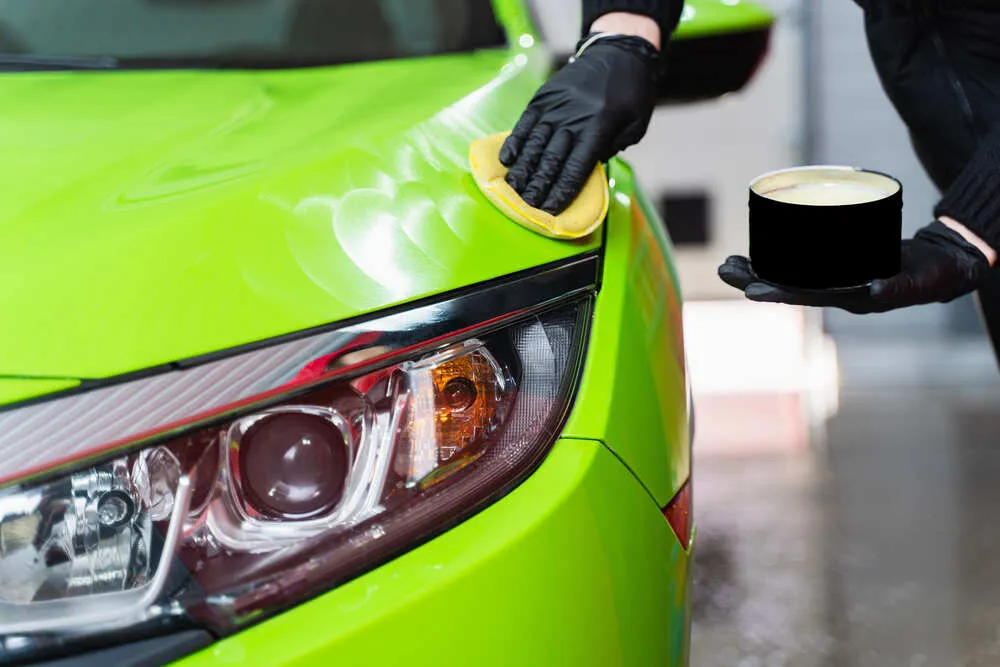
Wax helps protect the paint and extend its life by creating a protective layer on the surface that resists water and dirt, enhances the paint’s natural shine, and makes the car look shiny. Proper wax application forms a barrier between the paint and external influences, such as ultraviolet radiation, acid rain, and road salt, providing stable paint protection.
Why is it important to apply wax after washing?
- A clean surface allows the wax to adhere evenly to the paintwork.
- Dirt particles can scratch the paintwork like an abrasive when applied.
- After thoroughly washing and degreasing the bodywork, it is ideal to apply wax.
- Polish and car wax specialists advise first assessing the paint’s condition: if there are scratches or oxidation, polish the paint, then apply car wax.
The main advantages of wax:
- Wax adds noticeable shine and makes the paint color fresher.
- Wax protects from moisture, dirt, and ultraviolet rays.
- It is easier to wash, because after applying wax, dirt rolls off the surface.
- The surface becomes smooth and pleasant to the touch.
It is not the same kind of protection as, for example, nanoceramics, but it still provides adequate care.
Wax used by professionals usually contains natural carnauba or synthetic polymers:
- Natural carnauba: warm shine, deep color.
- Synthetic components provide increased resistance to chemical and mechanical stress.
How often to use wax:
- Wax should be renewed every 6-12 weeks.
- In Dubai’s hot climate or with frequent washing, for example, if you get caught in the rain, the wax should be renewed every 4 weeks.
Regular application helps restore the paint and preserve paint protection.
Practical tips:
- Always apply wax to a clean and dry surface.
- Use high-quality, time-tested products.
- If there are paint defects, polish first, then apply wax.
- Pay attention to the wax type: natural carnauba or synthetic composition.
- With the help of a professional, determine which option is more suitable for you.
- Regular detailing of your car helps maintain its shine and prolong its protection.
Regular waxing keeps your car looking well-groomed and beautiful while protecting the paintwork. Proper application of car wax helps make your car more visually appealing, makes it easier to wash, and protects it from external influences. By following these simple rules, you ensure that wax protects not only the paint’s appearance but also its health, keeping the car well-groomed for many years.
Benefits Of Car Polish
Polish is a tool used to restore and maintain the beauty of a car’s paintwork, fix surface defects, and improve the paint’s appearance. When you think of polishing, it’s essential to understand that it doesn’t just enhance shine; it also corrects the paint’s condition. Polish works by gently sanding the surface. It removes the top layer of paint, eliminating minor scratches, wash marks, dullness, and other minor damage. This way, polish removes imperfections and helps restore the paint’s original appearance.
How car polish works:

- Polishing corrects visual defects and smooths the surface.
- Polish can remove minor scratches and imperfections.
- Polish is used for light sanding of varnish without significant damage.
- After polishing, the paint becomes smooth, shiny, and ready for waxing.
It is important to understand when to use car polish:
- When the bodywork starts to look worn.
- If there are minor scratches or abrasions from washing.
- When you want to improve the surface before applying protective wax.
Practical tips for polishing:
- Polish the surface only on a clean and dry car after thorough washing. Washing your vehicle beforehand removes dust and dirt that could scratch the paint during polishing.
- Apply polish evenly in small circular motions without applying excessive pressure.
- After polishing, the surface is ready for wax application to protect the paint.
Benefits of regular polish use:
- Polishing a car helps remove minor imperfections and restore color depth.
- Car polish removes imperfections, making the paint smooth and shiny.
- Polishing improves the adhesion of the protective wax layer when applied after the procedure.
- Regular use of polish helps maintain a shiny, well-groomed appearance without risking excessive paint thinning when applied at the recommended frequency (usually 1-2 times a year).
This type of car care routine corrects visible defects, restores paint, and prepares the surface for protection. If you regularly polish the car before applying wax, you can use car polish more effectively and preserve the paint by removing minor defects, ensuring the vehicle looks well-groomed and presentable for many years to come.
Understanding the Difference Between Car Polish and Wax
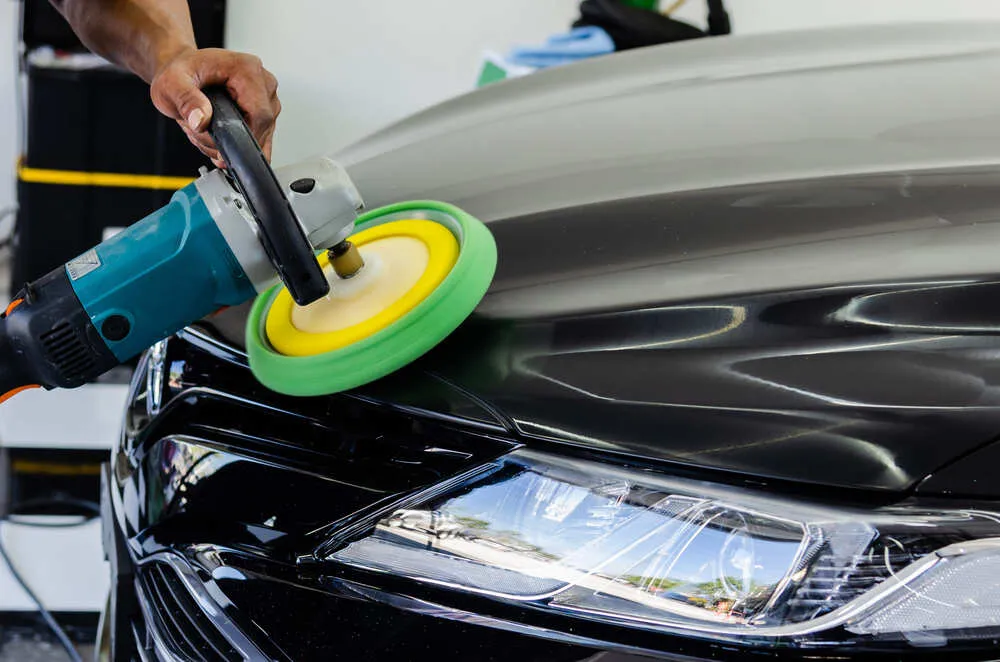
The main differences between polish and wax are their purpose, composition, and effect on the paintwork.
Car polish vs wax are different stages of care. Polish corrects defects, while wax protects. Car wax and car polish are often used together, but each serves a different purpose. Wax does not fix scratches, but it protects against water, ultraviolet radiation, and dirt.
Polish is made to easily remove the top layer of paint and eliminate traces of washing, tarnishing, and micro-scratches. In contrast, wax is made from natural carnauba or synthetic components to form a protective layer on the surface.
Use the table to compare car polish and car wax:
| Polish | Wax | |
| Purpose | Corrects the imperfections, prepares the surface for waxing, and smoothes it. | Wax offers a shiny, glossy finish. Waxing protects and enhances the look. |
| Composition | Abrasives, soft polymers | Natural carnuba or synthetic components: Synthetic Polymers, Silicones / Dimethicone, PTFE / Teflon, Hybrid Waxes / Carnauba + Polymers. |
| Impact on the paint coating | Removes micro-layers of polish, corrects unevenness | Wax doesn’t change the coating. Wax creates a thin protective film. |
| Frequency of use | 1-2 times a year | 4-12 weeks |
| Result | Makes the surface smooth | Makes washing your car easier and delivers a glossy, fresh look. |
Should You Use Wax and Polish Together
Polishing and waxing are two different, however, related processes.
- Polish first: If you need to wax an uneven and imperfect surface.
- Wax to seal in the shine: Waxing can help to protect the vehicle from micro-scratches.
Use polish and wax as needed, but using both every few months is better for your car.
Wax or Polish: Common Mistakes Car Owners Make
Many car enthusiasts make common mistakes when caring for their vehicles. Over-polishing can thin the paint, even if the polish removes imperfections, and wax creates a car’s paint protection film.
Applying wax to a dirty or hot surface reduces its effectiveness. Both traditional wax application and spray wax can leave marks and scratches when exposed to dirt and high temperatures.
Choosing the wrong product for your paint type is also harmful. Not all products are suitable for your coating, and using a 2-in-1 product without understanding its limitations will only give you partial results. Wax is a protective layer that must be applied correctly to be effective.
Some people forget to follow the right order: polish first, then wax. This is important to maintain protection and shine.
Final Tips for Proper Paint Care
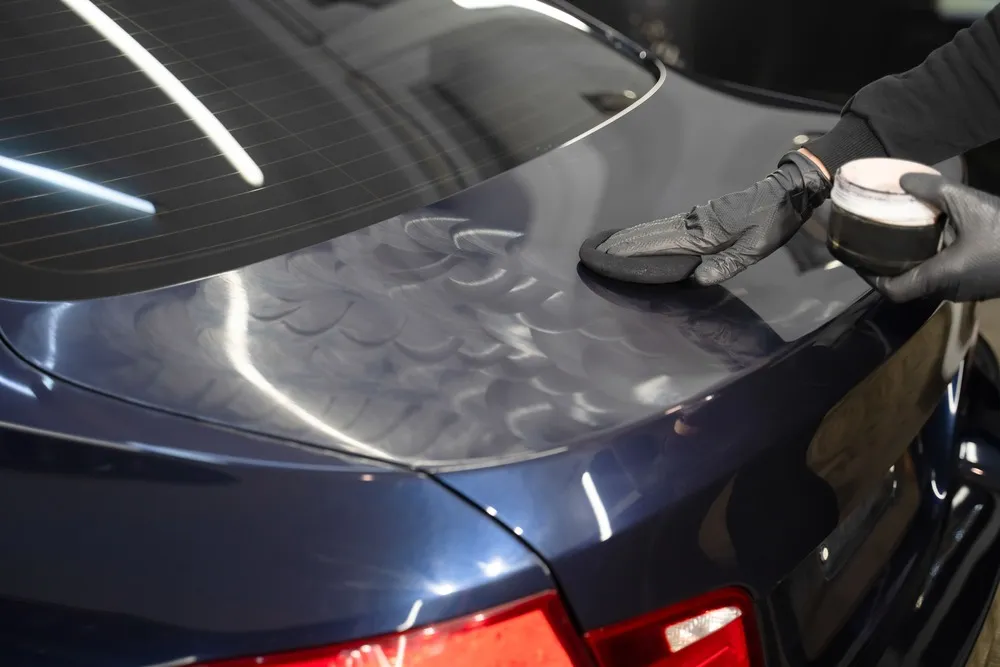
Although waxing and polishing your car will not prevent damage, scratches, or microcracks, they do provide surface protection and a cosmetic effect. Proper care of your car’s paintwork helps restore the paint and keep your vehicle looking shiny for a long time. It is essential to establish a regular car care routine to keep your car looking like new.
- It is better to choose soft polishes and safe waxes, as this helps keep your vehicle looking professionally treated.
- Polishing is only necessary when needed, usually 1-2 times a year, and waxing can be repeated every 1-3 months depending on driving conditions, climate, and the care.
- To make your car protection as effective as possible, thoroughly wash and degrease the surface before applying products. Using high-quality waxes and polishes helps your car retain its shine and protect the paint from UV rays and dirt.
- Regular surface detailing and inspection will help you catch tarnishing or micro-scratches in time and take your car to a specialist if necessary.
- Monitor the coating condition to keep the car and paint job in excellent condition: if water no longer rolls off, the car shiny look fades, or minor defects appear, it’s time to renew the protective layer.
Proper care helps ensure the longevity of the paintwork, so following these simple rules and regular maintenance will help you keep your car in perfect condition. It is important to choose proven detailing services, prevent dirt, bird droppings, and rain from drying on the car, and avoid using aggressive detergents, abrasives, and hard sponges.
FAQ
Is it possible to wax my car without first polishing it?
What is the longest-lasting car wax or polish?
Can You Polish and Wax at the Same Time?
Can car polishing cause car paint damage?
How often should I polish my car rather than wax it?