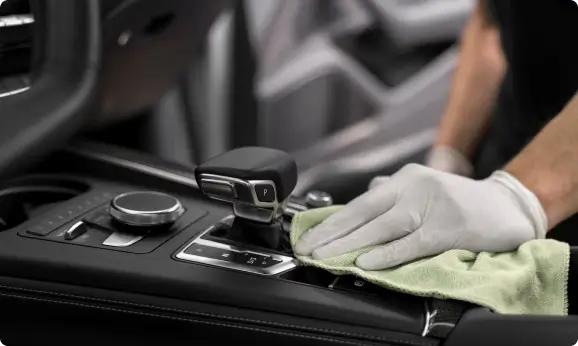






Car Upholstery Care: Expert Answers to the Most Common Questions
When you think about your car, the exterior often comes to mind first, the sleek paint, shiny wheels, and polished finish. But the interior, particularly the upholstery, plays an equally vital role in driving experience. Keeping your car’s upholstery in top condition is essential for maintaining a clean, comfortable, and stylish interior. Over time, both fabric and leather surfaces can lose their freshness, absorb odors, and develop stains or cracks.
To help you care for your interior properly, we’ve compiled clear answers to the most common questions about cleaning, maintaining, repairing, and replacing car upholstery – from simple at-home techniques to professional solutions.
What Is Car Upholstery and Why Is It Important?

Car upholstery is much more than the material covering your car’s seating. It’s an important part of your vehicle’s interior that affects comfort, aesthetics, durability, and even resale value. The most common types include:
- Fabric: Durable, breathable, and available in many colors and textures. It’s often easier to maintain, but it can stain or absorb odors more easily.
- Leather: Offers a premium look and feel, is generally easier to wipe clean, and adds to your car’s value. However, it requires regular conditioning to prevent cracking or fading.
- Vinyl: A cost-effective alternative to leather, vinyl is easy to clean and resistant to water, but it can feel less comfortable in extreme temperatures.
- Alcantara or Suede: Often used in luxury or sports cars, this material provides a soft, high-end feel but requires careful maintenance.
Why Is Car Upholstery Important?
Maintaining your car’s upholstery is important for several reasons. It directly impacts comfort, especially on long drives, while contributing to the overall interior aesthetics and creating a polished, inviting environment. Properly cared-for upholstery is more durable, resisting stains, cracks, and fading. It also plays a role in hygiene, as upholstery can collect dust, allergens, and bacteria over time.
Caring for your upholstery doesn’t have to be complicated. Regular vacuuming and wiping, treating spills immediately, conditioning leather surfaces, and using protective covers or sunshades can all help extend the life of your interior and keep it looking fresh.
What Is the Best Way to Clean Car Upholstery?
Cleaning your car’s upholstery can be done yourself or by professionals. Self-cleaning is convenient, cost-effective, and great for routine maintenance or small spills. Professional services are better for deep cleaning, tough stains, odors, or extensive wear, using specialized tools and techniques to restore and protect your upholstery. For the best results, combine both approaches: regular self-cleaning to maintain freshness and professional cleaning when a deeper treatment is needed.
Cleaning car upholstery effectively depends on the type of material and the type of dirt or stains you’re dealing with. For general cleaning, start by vacuuming to remove dust, crumbs, and debris. Choose a cleaner suitable for your material—fabric, leather, vinyl, or suede—and treat spills as soon as they occur. Wipe gently, avoid excessive moisture, and maintain regular cleaning to keep your upholstery fresh and in good condition.
Common Signs Your Car Upholstery Needs Cleaning or Repair
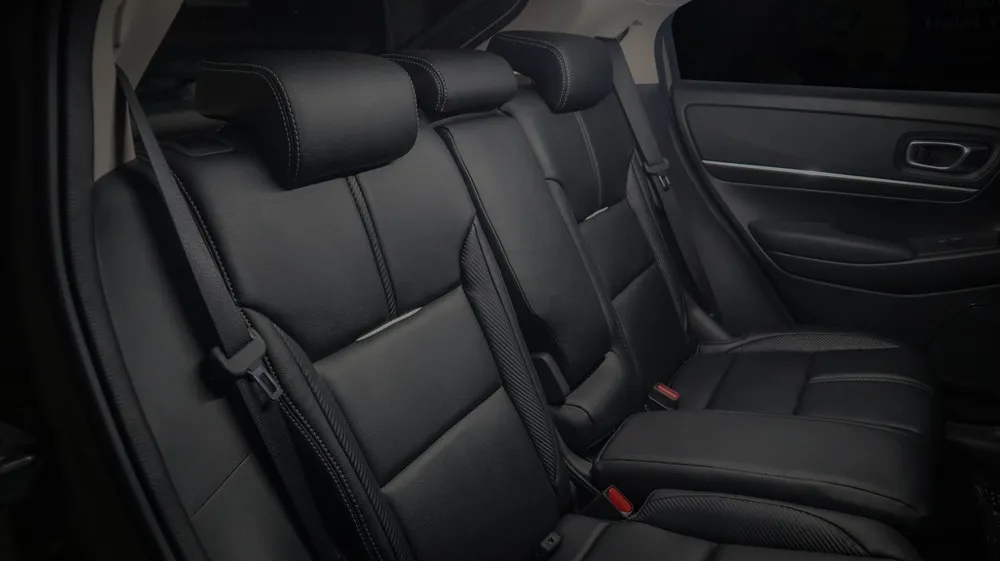
Visible stains from food, drinks, or dirt, along with persistent unpleasant odors from spills, pets, or moisture, are clear signs that your car’s upholstery needs cleaning.
Fading or discoloration caused by sun exposure and wear shows that your fabric or leather may require cleaning, conditioning, or repair.
Cracks, tears, or loose seams in leather or vinyl can worsen if not addressed promptly. Worn or flattened seats affect comfort and may need professional restoration.
Visible stitching issues or areas where the fabric or leather is pulling away suggest repair is necessary.
How to Clean Leather Car Upholstery?
Cleaning leather car upholstery requires gentle products and proper techniques to protect the material from drying, cracking, or discoloration. Following the right steps ensures long-lasting quality and a clean, polished look.
- Vacuum the Leather: Start by vacuuming the surfaces, seams, and crevices to remove dust and debris. This prevents scratching the leather during cleaning.
- Use a Leather-Safe Cleaner: Choose a pH-balanced leather cleaner. Avoid household detergents, alcohol-based wipes, or any harsh chemicals that can strip natural oils from the leather.
- Apply the Cleaner Gently: Use a microfiber cloth or soft brush to apply the cleaner in light, circular motions, especially on heavily used areas like the driver’s seat and armrests.
- Wipe Off Residue: Remove excess cleaner with a clean, slightly damp cloth. Ensure no product remains on the surface, as leftover residue can cause stiffness or discoloration.
- Allow It to Dry Naturally: Let the leather dry in a shaded area. Avoid direct sunlight or heat sources that can accelerate drying and lead to cracks.
- Condition the Leather: Once dry, apply a high-quality leather conditioner to restore moisture, maintain softness, and prevent aging. Conditioning every 2–3 months keeps the leather flexible and protects it from wear.
- Schedule Professional Care When Needed: For deep creases, stubborn stains, or cracking, professional leather restoration provides safer and more effective results than home cleaning.
How to Clean Cloth Upholstery in a Car?
Cleaning cloth upholstery requires the right products and techniques to avoid spreading stains or leaving excess moisture trapped in the fabric. With proper care, cloth seats can stay fresh, odor-free, and visually clean for years. Here are the key steps to follow:
- Vacuum Thoroughly: Start by vacuuming the seats, seams, and crevices to remove dust, crumbs, and debris. This prevents dirt from embedding deeper into the fabric once moisture is applied.
- Use a Suitable Cleaner: Choose a mild fabric upholstery cleaner or make a simple solution using warm water and a small amount of gentle soap. Avoid harsh chemicals that may discolor the fabric or leave residue.
- Pre-Treat Stains: Apply a stain remover to any visible spots before cleaning the entire seat. Gently blot the stain instead of rubbing, which can push it deeper into the fibers.
- Scrub Lightly: Using a soft brush or microfiber cloth, work the cleaner into the fabric with gentle motions. Focus on heavily used areas such as the driver’s and passenger’s seats.
- Rinse Carefully: Remove remaining product with a clean, damp cloth. Avoid soaking the seats, as excess moisture can cause mold, lingering odors, or long drying times.
- Dry the Upholstery: Allow the seats to air dry completely. Open the windows or use fans to speed up the process. Never rely on direct sunlight or heat, as it can cause fading.
- Maintain Regularly: Vacuum and spot-clean the fabric regularly to prevent buildup and maintain a fresh interior. For deep stains or odors that are hard to remove, professional upholstery cleaning can restore the fabric safely and effectively.
How to Remove Different Types of Stains from Car Upholstery?

Treating stains promptly helps prevent permanent damage, discoloration, and lingering odors. Here’s how to handle the most common types effectively:
- Food and Drink Stains: Blot spills immediately with a clean cloth. Apply a mild fabric or leather-safe cleaner, working gently into the stain. Avoid rubbing, which can push the stain deeper.
- Grease and Oil Stains: Sprinkle baking soda or cornstarch to absorb excess oil. Let it sit for 10–15 minutes, vacuum, and apply a degreasing cleaner. For leather, always use a leather-safe product.
- Ink Stains: Use a cotton swab with a small amount of rubbing alcohol and dab lightly until the ink lifts. For leather, use a leather-specific ink remover.
- Coffee or Tea Stains: Blot the spill immediately, then apply a mixture of warm water and mild soap to lift the stain with a clean cloth. For stubborn spots, an enzyme-based cleaner works well.
- Blood and Organic Stains: Blot blood with cold water, never warm. For other organic stains like vomit, remove solids first, then apply an enzyme cleaner to neutralize odors and break down residues.
- Mud and Dirt: Allow mud to dry completely, vacuum loose particles, then wipe with a mild soap solution to remove remaining dirt.
- Transition to Pet Hair, Odors, and Mold: Some stains may leave odors or attract bacteria, and pets can contribute hair or moisture issues. The next step is addressing these to keep your seats fresh and clean.
How to Remove Pet Hair, Odors, and Mold from Car Upholstery?
Regular vacuuming is essential, because the pet hair can cling to fabric and leather surfaces. Using a lint roller or a damp rubber glove helps lift stubborn hairs effectively. Unpleasant odors often linger after spills, pet accidents, or moisture exposure, treating them promptly with a safe deodorizer and allowing proper ventilation keeps your car smelling fresh. Mold can develop if moisture remains trapped, so clean any damp spots immediately with a mild, antibacterial solution and ensure the area dries completely. Preventive measures, like wiping paws before entering the car and addressing spills quickly, help reduce the buildup of hair, odors, and mold over time. Avoid over-wetting the upholstery, which can worsen mold growth or leave lingering smells.

How to Repair a Small Hole or Burn Mark in Car Upholstery?
Small holes or burn marks, often caused by cigarettes, sharp objects, or accidental punctures, require careful treatment to restore the integrity and appearance of your upholstery. Start by thoroughly cleaning the damaged area to remove any dirt, oils, or residues.
For fabric upholstery, professional-grade repair kits or patches can be used, ensuring color and texture match precisely while applying adhesive with precision for a seamless bond.
Leather repairs involve using high-quality filler compounds to level the surface, followed by expertly blended dyes to restore the original color and finish. Strict adherence to curing and drying times is essential to achieve a durable and professional result.
For significant damage or if you seek a flawless finish, professional upholstery repair services provide the expertise, tools, and materials to fully restore your car’s interior, maintaining its value and aesthetic look. To prevent future issues, handle sharp objects with care and consider protective seat covers in high-risk areas.
How to Repair Leather Upholstery in a Car?
Leather upholstery can develop scratches, cracks, or discoloration over time due to wear, sun exposure, or accidental damage.
Begin by thoroughly cleaning the affected area to remove dirt, oils, and residues, ensuring a stable surface for restoration. For minor scratches or scuffs, high-quality leather fillers can be applied to even out the texture. This can be followed by expertly matched dyes to restore the original color and finish. Adhering strictly to recommended curing and drying times is important to achieve a long-lasting, professional-quality result. For deeper damage or when a flawless finish is required, professional leather repair services ensure the specialized tools, materials, and expertise to restore the upholstery to its original condition. Regular maintenance and cautious handling of sharp objects can prevent future damage and extend the life of your leather interior.
How to Fix or Replace Car Seat Upholstery?
Fixing or replacing car seat upholstery requires careful assessment of the damage. Minor tears, worn areas, or loose fabric can often be repaired using professional-grade patches, adhesives, or stitching, ensuring color and texture match seamlessly.
For extensive damage or when the original material is severely worn, replacement may be the best solution. Always follow proper techniques and use high-quality materials to maintain durability and save your car’s interior value. For the best results, consider professional upholstery services, especially for complex repairs or premium materials. Custom options are also available, allowing you to upgrade the interior style while ensuring long-lasting performance.
How Much Does Professional Car Upholstery Cleaning or Replacement Cost?
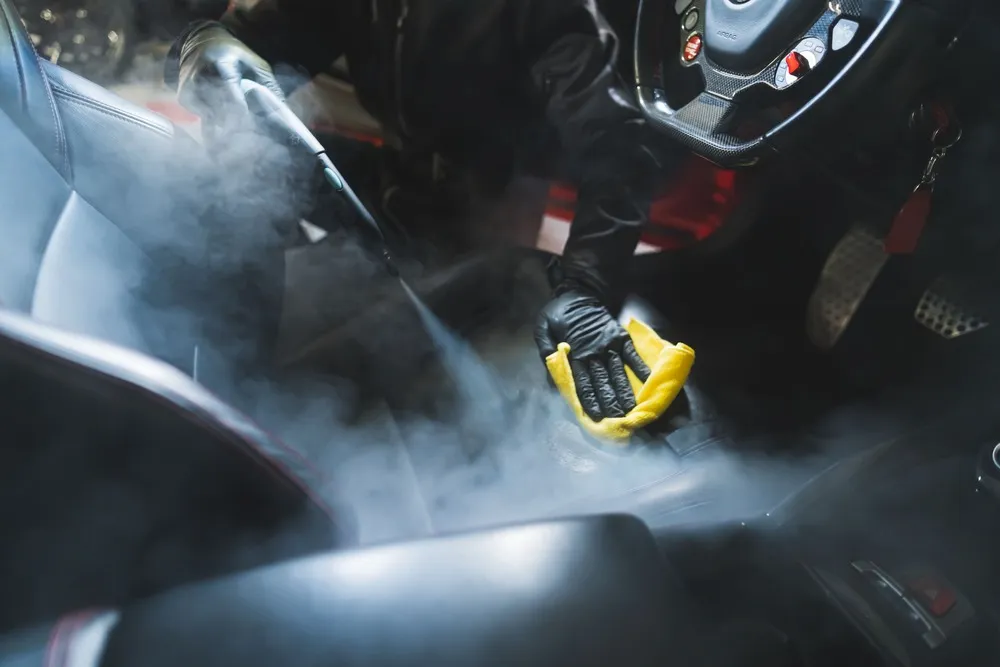
Professional car upholstery cleaning or replacement costs vary depending on several factors, including the type of material, the extent of damage, and the service provider. Basic fabric cleaning may start from a modest rate, while deep cleaning or leather restoration typically costs more due to specialized products and techniques. Replacing upholstery entirely, especially premium materials, involves higher expenses, reflecting the quality of coverings and craftsmanship. Additional factors influencing cost include the vehicle size, number of seats, and any custom or high-end finishes. Obtaining a professional estimate ensures clarity on pricing and helps you plan your car care budget effectively. For example, general interior cleaning or single‑seat leather cleaning begins at approximately 300 AED for one seat. Replacing headliner upholstery at Desert Diamond starts from 6,000 AED.
How Often Should You Clean or Treat Car Upholstery?
To determine when professional care is needed, consider the material type, level of wear, usage and frequency of spills or stains. Generally, fabric seats benefit from vacuuming and spot-cleaning every 1–2 weeks, while leather surfaces should be wiped and conditioned every 2–3 months to maintain softness and prevent cracking. High-traffic vehicles or those regularly carrying pets and passengers may require more frequent attention.
What Are the Benefits of Professional Car Upholstery Care?
Professional car upholstery care provides several key benefits that go beyond basic cleaning:
- Enhanced appearance: Expert cleaning and restoration remove deep-seated dirt, stains, and discoloration, leaving the interior looking fresh and polished.
- Prolonged durability: Proper treatment, conditioning, and repairs prevent cracks, fading, and wear, extending the lifespan of your upholstery.
- Hygiene and Health: Professionals eliminate allergens, bacteria, mold, and odors that can accumulate in fabric or leather surfaces, promoting a cleaner and healthier environment inside your car.
- Value Preservation: Maintaining upholstery in top condition helps retain your car’s resale value and overall interior quality.
- Time and Convenience: Professionals have specialized tools, products, and expertise to deliver superior results efficiently, saving you time and effort.
- Custom Solutions: For luxury or high-end materials, professionals can provide tailored treatments, repairs, and restoration that will keep the original look and feel.
Where Can I Get My Car Upholstery Professionally Cleaned or Repaired?
When selecting a professional car upholstery service, it’s important to consider factors such as experience, range of services, attention to detail, and the quality of cleaning products or repair techniques used. A reputable company should be able to handle different materials, including fabric, leather, vinyl, and premium surfaces, providing customized solutions for minor stains, deep cleaning, or full restoration. In Dubai, Desert Diamond Car Care Center excels in all these aspects. Our team offers expert stain removal, leather conditioning, deep fabric cleaning, and complete upholstery restoration. With high-quality products, skilled technicians, and a focus on long-lasting results, Desert Diamond ensures your car’s interior stays fresh, comfortable, and visually appealing.
Book Your Car Upholstery Service at Desert Diamond
Regular upholstery care helps keep your car’s interior clean, tidy, and in good condition. If you notice stains, scuffs, or unpleasant odors, don’t delay. Book a professional cleaning or repair at Desert Diamond and trust your car to experienced specialists. Schedule your appointment today and give your interior the professional care it deserves, ensuring comfort, style, and value throughout your drives.
FAQ
How much does custom upholstery cost?