





UV Protection of Your Car Interior: What You Need to Know Window Films
Dubai’s intense year-round sun exposure and extreme heat make UV protection for your car interior a crucial concern. The harsh desert climate significantly accelerates aging and damage to automotive surfaces. It causes fading, cracking, and wear of fabrics, leather, plastics, and dashboards. Harmful ultraviolet (UV) radiation, including both UVA and UVB rays, can penetrate car windows and glass, posing a risk not only to your vehicle but also to driver safety.
Understanding the types of UV protection available is essential, especially in light of Dubai’s strict laws on car window tinting and sun protection. Complying with regulations will help to prevent UV damage. The text below contains practical advice on how to shield your car, protect your investment, and maintain peace of mind on every drive.
What UV Radiation Does to Your Car Interior
The powerful ultraviolet rays in Dubai’s climate, with a UV index typically above 10 year-round, constantly expose your vehicle’s interior surfaces to damage. Unprotected fabric, leather, and plastics suffer significantly from continuous UVA and UVB ray exposure, which can cause:
- Accelerated fading: The color of brightly tinted fabrics and materials loses vibrancy quickly under strong UV radiation.
- Cracking and brittleness: Over time, the sun causes leather, vinyl, and plastic to dry out and become brittle, leading to premature surface wear and cracking.
- Plastic degradation: Prolonged sunlight exposure causes dashboards and trims to warp, discolor, and lose impact resistance.
This ultraviolet damage not only affects appearance but also weakens materials, reducing the lifespan and protective properties of vehicle components.
Types of UV Protection Products for Car Windows
Window tint
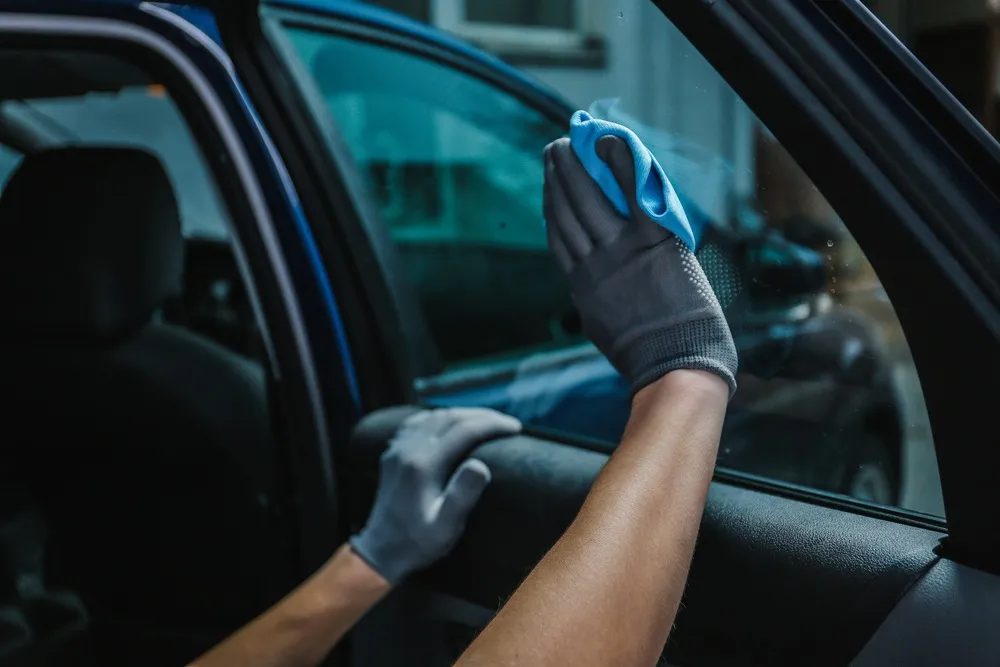
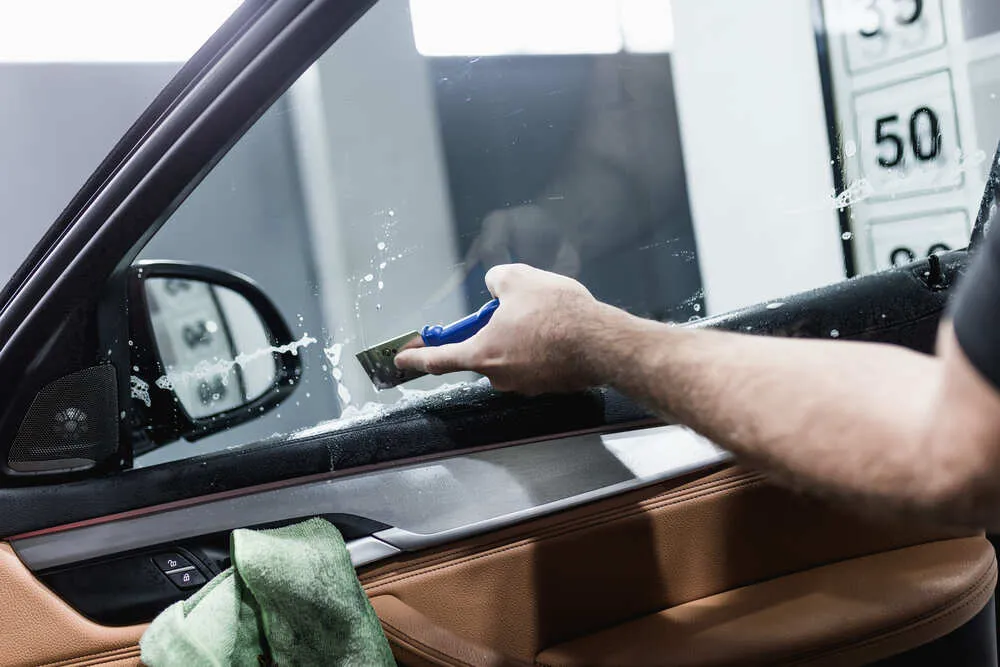
Window tint films are a popular product to block UV rays, reduce interior temperature, and protect upholstery. In Dubai, local laws regulate how much tinting can be applied for safety reasons:
- Front windshield: Tinting is limited to a 10% sun strip at the top to ensure driver visibility.
- Front side windows: Must maintain at least 70% visible light transmission (VLT), allowing up to 30% tint darkness.
- Rear side and back windows: More flexible, with typical VLT levels accepted between 35-50%.
A high-quality window film can block between 35% and 70% of harmful UV rays, offering significant protection against sun damage while complying with legal limits on tint darkness.
UV-blocking films
If you want to block nearly 99% of UV radiation without darkening your windows too much, specialized UV-blocking films are an excellent option. These films effectively prevent UVA and UVB rays from penetrating your car glass. They reduce the risk of fading and damage to interior materials while ensuring compliance with Dubai’s window tint regulations. UV-blocking films are particularly suitable for front windows where tint restrictions are strict.
Ceramic window coatings
Ceramic coatings are a high-end type of window film. They are becoming increasingly popular among Dubai drivers who seek long-lasting UV protection and heat rejection without affecting visibility. These protective coatings form a clear, durable layer on car windows that blocks up to 99% of ultraviolet rays. Their outstanding impact resistance and ability to withstand harsh desert heat and sand exposure make them an excellent investment for premium vehicles. Unlike traditional tint films, car ceramic coatings do not darken the glass and are fully legal under Dubai’s strict laws.
Comparison of Protection Methods and Effects
When choosing the best protection method for your vehicle’s windows in Dubai, it’s important to consider factors like UV blocking, heat rejection, appearance, durability, and legal compliance. Each option offers a unique balance of these features suited to different preferences and regulations.
| Protection Type | UV Blocking Efficiency | Heat Rejection | Appearance Impact | Durability | Legal Compliance |
| Window Tint | 35-70% | Moderate | Darkens windows | 5-10 years | Allowed with VLT limits |
| UV-blocking Film | Up to 99% | Low | Minimal tint | 5-8 years | Allowed, ideal for front windows |
| Ceramic Coating | Up to 99% | High | Clear, no tint | 10+ years | Fully legal, no visibility issues |
This comparison highlights key differences to help you select the most effective and compliant window protection method for your needs in Dubai.
How to Choose the Right UV Protection for Your Car’s Safety
Dubai’s intense sun and heat make effective UV protection essential to guard against harmful UVA rays that cause premature skin damage and increase skin cancer risk. To protect your car’s interior and passengers, consider these key recommendations:
- Choose window protection that blocks up to 99% of UVA rays for long-lasting defense.
- Follow UAE road regulations carefully. Side and rear windows have specific tint percentage limits to ensure legal compliance.
- Select protection that balances UV blocking with aesthetics and visibility. UV-blocking films and ceramic coatings offer clear protection without darkening windows.
- Use window tinting if privacy is a priority, but apply it only within legal VLT limits to avoid harm or cloudy vision.
- Prioritize reputable, Dubai-tested brands to guarantee durability and performance in the intense desert climate.
- Consider your budget. Window tinting is the most cost-effective option. Ceramic coatings provide superior heat rejection and longer lifespan but at a higher price.
By following these rules, you can effectively reduce UV exposure on Dubai’s roads while maintaining safety, compliance, and comfort for everyday driving.
Installation Options Concerns: DIY vs. Professional
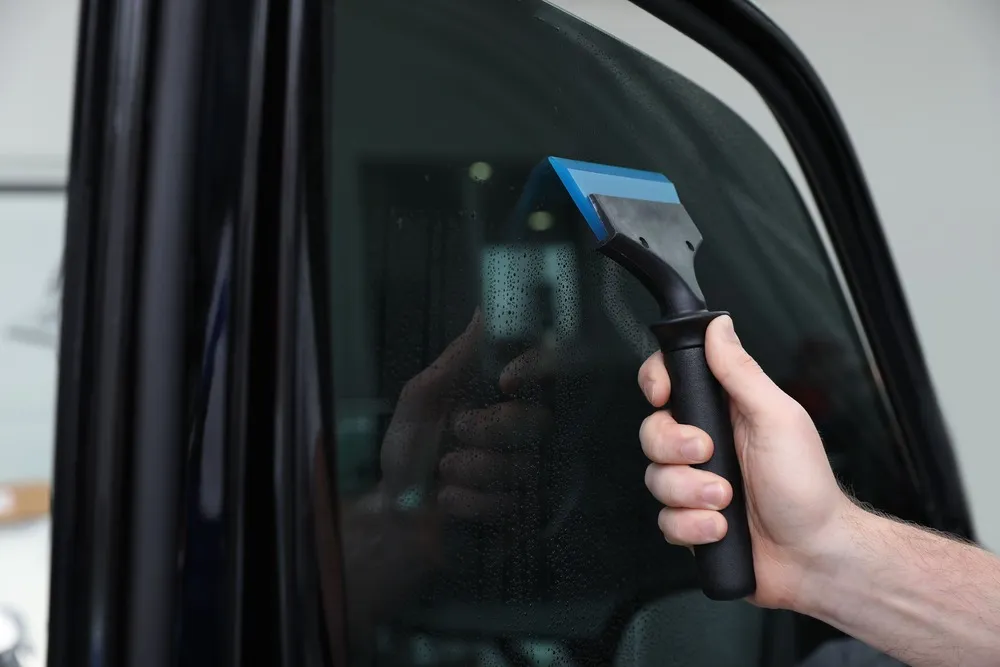
Professional installation is recommended to guarantee proper adherence, meet local legal requirements, and maintain the film’s effect despite dusty, hot conditions. Authorized installers protect your investment by providing warranties and ensuring coatings or films last through harsh desert periods of time.
Maintenance and Longevity
Clean using mild soap and water, avoiding harsh chemicals that can damage film layers or coatings, causing premature wear. Ceramic coatings benefit from occasional professional checks to maintain their lens-like clarity and protective properties against desert sand.
Poor-quality films may cloud or degrade faster under extreme heat, so always choose products tested specifically for Dubai’s climate.
Cost Breakdown
When choosing UV protection for your vehicle in Dubai, it’s essential to understand the cost differences between window tinting and ceramic coatings, as both films offer varying levels of protection and design benefits.
At Desert Diamond, tinting side and rear windows starts from AED 450 for two side windows, while rear hemisphere tinting begins at AED 600. Windshield or rear glass tinting is available from AED 350, with professional tint removal starting at AED 400. Free removal is offered when you invest in a new tint installation.
Premium brands like NAR and 3M tinting begin around AED 1100, and the high-end STEK tint, which comes with a lifetime warranty, starts from AED 1690.
Ceramic coatings provide additional benefits by blocking up to 99% of harmful UVA rays without darkening the glass, acting like a protective lens that helps prevent sunburn and DNA damage inside the car. At Desert Diamond, ceramic coating is priced per layer. A single-layer full car coating starts at AED 300, two layers at AED 650, and three layers range from AED 990. These coatings require one to three days for application but offer durable heat rejection and protection against wear caused by Dubai’s intense sun and dust.
By comparing these options and prices, you can invest wisely in the right UV protection that preserves your vehicle’s interior, reduces sun-induced damage, and complements your lifestyle of wearing sunscreen for personal skin safety.
Common Myths About UV Protection
There are several common myths about window tinting and UV protection that can cause confusion:
- One misconception is that all tint films are illegal if they are too dark. However, tinting is perfectly legal as long as it complies with the visible light transmission (VLT) limits set by Dubai authorities.
- Another false belief is that using sunscreens or window covers alone provides enough protection. In reality, these only block direct sunlight but do not stop harmful UVA rays from penetrating glass, which can damage DNA and harm the skin.
- Some also think ceramic coatings are unnecessary in desert environments, yet these coatings are highly effective at rejecting heat and protecting against abrasion from sand and dust.
Understanding these facts helps you make informed choices that maximize protection while staying within legal limits.
Conclusion
Protecting your car in Dubai from harmful UVA rays and heat not only prevents damage like fading and sunburn but also helps safeguard your health by reducing UV exposure. By balancing performance, legal compliance, and cost, you can choose between window tinting, UV-blocking films, or ceramic coatings. Investing in the right protection ensures your vehicle’s interior stays in top condition and improves comfort during everyday driving on Dubai’s roads.
FAQ
Can UV protection films cause damage to my car’s electronics or antenna?
How should I clean and maintain UV-blocking films without reducing their effectiveness?
Are there differences in UV protection effectiveness between aftermarket films and factory-installed films?
Can sun rays protection help prevent fading or cracking of car upholstery and dashboard materials?
Is UV protection only important during summer, or does it matter year-round in Dubai?