





35 vs 20 Window Tint: What’s the Difference and Which One Should You Choose?
Choosing between 35 tint and 20 tint does more than change the look of your car. It affects comfort, visibility, and protection. In harsh climates where the sun is intense, understanding each tint level helps you balance between privacy, heat rejection, and staying within local window tinting laws. Below, we will break down 35 vs 20 window tints, explaining tint percentage, visibility, and performance so you can pick the right tint film for your needs.
Tint Percentage: What “35 Tint” and “20 Tint” Actually Mean
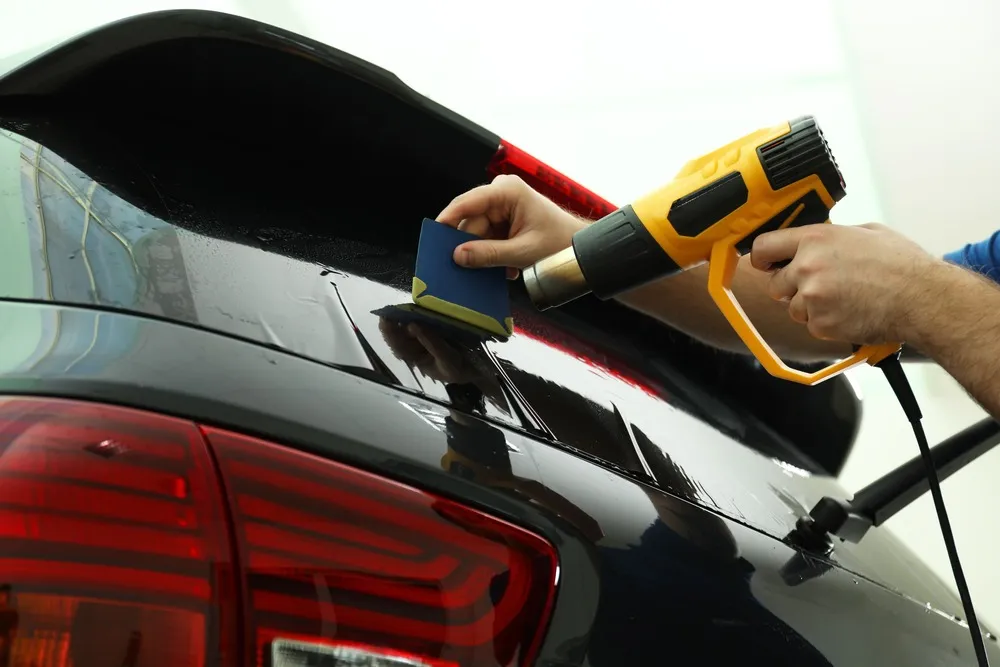
When you see 35 tint or 20 tint, the number refers to the tint’s Visible Light Transmission (VLT). It stands for the amount of visible light that passes through the film. A 35% window tint allows 35% of light transmission, so it appears as a medium shade. A 20% window tint only lets 20% of light through, so the tint is darker and the glass looks more shadowed and private.
In simple terms, the lower the VLT, the darker tint you get. A 35 tint level works well if you want a subtle upgrade on side or rear windows while still maintaining clear visibility. A 20 tint level gives a much darker tint, better for those who want stronger privacy and a more dramatic look. Both can block UV rays effectively, but the different amounts of visible light they allow are what you will notice most.
Visibility Differences When Comparing 35 and 20 Window Tint Percentage
With 35% tinted windows, outward visibility remains very good in most driving conditions. You can still see road markings, pedestrians, and vehicles clearly, and the film reduces glare from the sun and headlights without making your view feel restricted. This makes 35 tint a strong choice if you drive a lot at dawn, dusk, or in busy city traffic.
By contrast, 20% dark tint cuts more light, so the view through the glass is noticeably dimmer. At night or in bad weather, distant objects can be harder to pick up quickly, and your eyes need more time to adjust when looking through the side or rear windows. This tint level offers more privacy but can reduce visibility enough that some drivers find it less comfortable, especially on unlit roads.
Heat Rejection Comparison for Tinted windows
Heat rejection is one of the main reasons drivers compare 35 window tint vs 20. A quality 35% tint film can still offer strong heat rejection, often blocking a significant portion of solar energy and helping keep the cabin cooler. Modern films at this tint level can also block UV rays that damage interiors, giving a good balance between comfort and clear vision.
A 20% tint is darker, and in many film ranges it provides a small additional boost in heat rejection and glare reduction. This dark tint can make the cabin feel cooler faster when parked in direct sun and can reduce eye strain from bright reflections off the windshield and mirrors. However, the actual heat rejection depends more on film technology than just how dark the tint is. Premium 35% ceramic films can outperform cheap 20% dyed films, even if the tint is darker on paper.
Privacy and Interior Comfort When Choosing the Perfect Window Tint
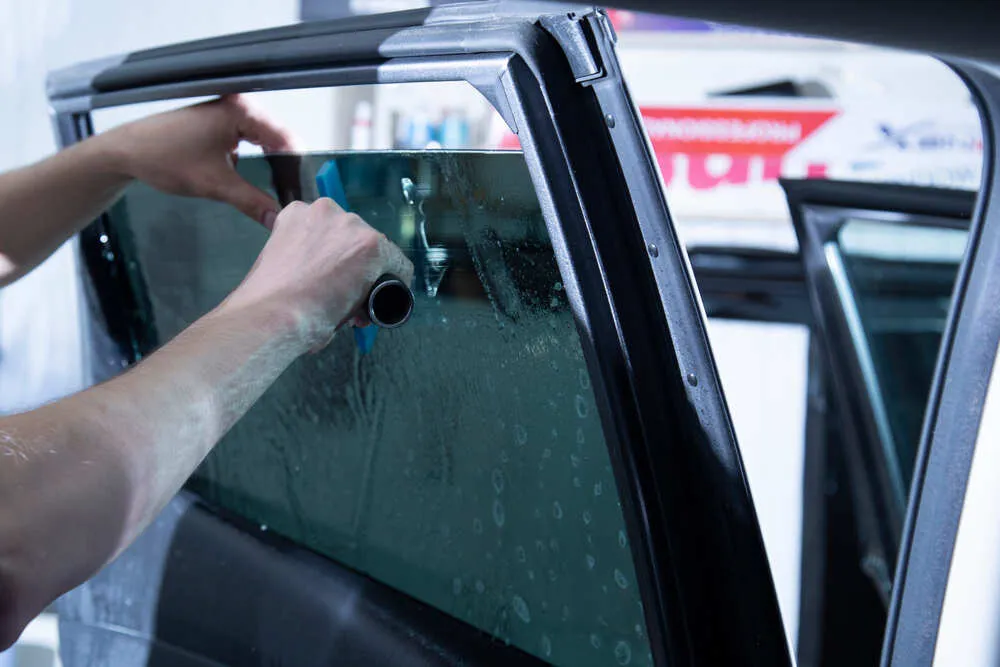
A 35 percent tint offers a good balance between privacy and visibility from the outside, making it challenging for others to see into your vehicle during casual glances. It helps reduce heat and block UV rays that fade dashboards and seats, while keeping the cabin feeling open and comfortable. This level of tint provides solid protection at malls or parking lots without turning your car into a dark cave.
When you go 20, the darker window tint allows only 20 percent light transmission, creating near-complete privacy where it’s extremely dark for outsiders trying to peer through back windows or front side windows. This tint significantly reduces visibility from both inside and out for passersby, ideal for hiding valuables or passengers. It excels in summer conditions as its darker tint makes it harder for anyone to see into your vehicle, boosting interior comfort.
Aesthetic Differences of Tint Level
The 35 percent tint gives your car a clean, factory-fresh upgrade, subtle enough for daily drivers while enhancing body lines on sedans or SUVs. Choosing the perfect car window tinting at this VLT percentage blends seamlessly with original glass, adding a polished look without drawing extra attention from law enforcement.
A 20 percent tint delivers bold, limo-style drama that commands looks on busy roads. This darker window tint option pops on sports cars, giving that premium, aggressive edge, though it can look overdone if not matched to the vehicle’s style. The differences between 35 and 20 become obvious in how much the tint makes your ride stand out.
Safety Considerations (Night Driving, Blind Spots)
35 percent tint maintains excellent visibility from both inside and outside, especially at night when clear sightlines matter most. It cuts glare effectively without creating blind spots in front windows or rear windows, helping drivers stay aware in low-light conditions and reducing crash risks.
The 20 percent tint can significantly reduce outward visibility, particularly after dark when less light passes through the window. This makes judging distances or spotting hazards in mirrors more difficult, especially at night. These are common concerns in areas with fog or construction. Pair darker tints with lighter front windshield films to improve safety.
Legal Restrictions
UAE window tint regulations are quite specific, and you need to stay within these limits when choosing the level of tint for your car windows. Across the UAE, the legal limit for most private vehicles is a maximum of 50% tint (VLT 50%) on side and rear windows, while the front windshield generally must remain clear or only have a very light, approved strip at the top. A 35 percent tint normally complies with the rule on rear windows and often on side windows, but a darker 20 percent tint may exceed the legal limit and attract fines if applied to the front side windows or used excessively on the back windows.
Some categories, such as government, security, or special-permit vehicles, can be granted exemptions, but these are handled case-by-case and require official approval from the relevant UAE authorities (through RTA or local traffic departments). Because enforcement can vary slightly between emirates and regulations are occasionally updated, always check the latest UAE / RTA guidelines before you tint car windows to ensure your chosen VLT percentage complies and to avoid penalties or registration issues.
Which Tint Is Better for Daily Driving
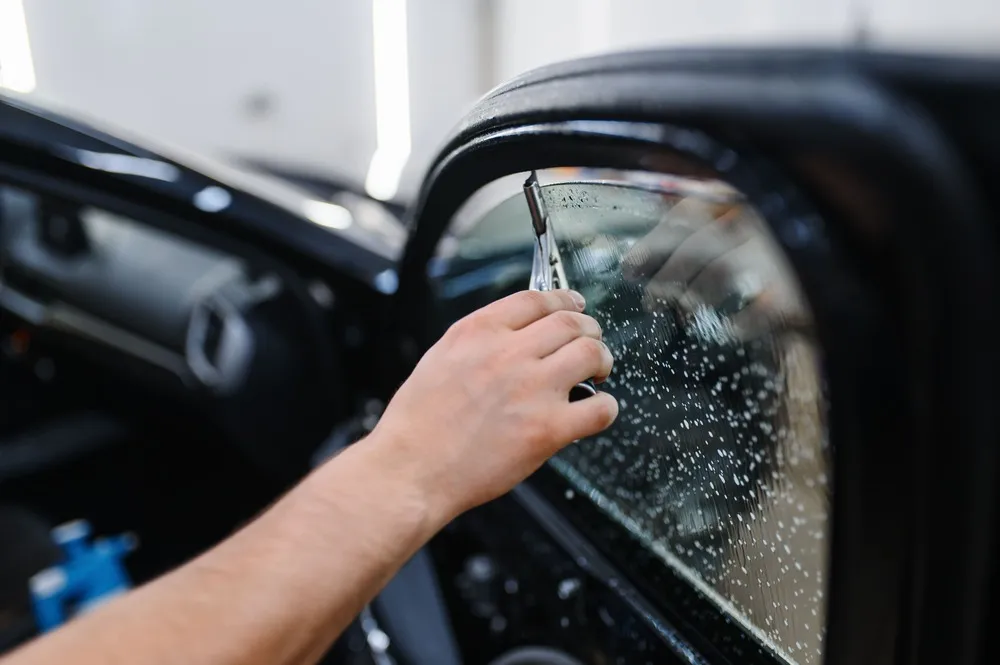
Choose 35 percent tint for daily commutes. Its higher VLT (visible light transmission) keeps visibility sharp through front and rear windows, making it fatigue-free for traffic and parking. This window tint percentage refers to a practical choice that complies with local laws while providing comfort.
Skip going 20 unless maximum privacy outweighs visibility concerns; the darker tint significantly reduces outward views and may tire eyes faster in changing light, especially at night.
Which Tint Is Better for Hot Climates
In scorching heat, 20 percent tint edges ahead by rejecting more solar energy since less light transmission means better heat reduction and less heat entering your car. Ceramic tint at this level cools cabins quickly, saving AC effort.
However, premium 35 percent tint with nano-ceramic technology matches it closely for heat rejection while staying legal and maintaining better visibility. This comparison between 35 and 20 shows that the 35 offers the best balance for hot weather without breaking tint laws.
Cost Considerations
At Desert Diamond in Dubai, expect these prices (excluding 5% VAT added at invoicing, full sedan):
- Two side windows: from 450 AED (3 hours)
- Rear hemisphere: from 600 AED (3 hours)
- Windshield / Rear glass: from 350 AED (2 hours)
Premium options:
- NAR tinting: from 1100 AED
- STEK tinting (Lifetime warranty): from 1690 AED
- 3M car window tinting: from 1100 AED
Tint removal: from 400 AED (4 hours), or free with new tint installation. Budget higher for larger vehicles. Final costs depend on your tint needs and film quality.
Conclusion
A 35 percent tint suits versatile daily drivers seeking safety, legality, and a good balance between privacy and visibility. The 20 percent option shines for those prioritizing maximum darkness and heat reduction in extreme climates. Test films at local installers, verify if your VLT percentage of window complies with local laws and regulations, and pick the tint for your needs that elevates your drive.
FAQ
Can I mix 35% sides with 20% rear?
How long does professional tint last in Dubai heat?
Does tint affect car warranty?
What's best for night driving safety?
Can I DIY window tint?